Understanding Your Solar Installation Options in Colorado
As a homeowner in Colorado, deciding to install a solar energy system involves careful consideration of multiple factors. Understanding your options, potential trade-offs, and the specific circumstances of your home is crucial. This article provides a practical checklist to help guide your decision-making process regarding solar installation, including the addition of a home battery if desired.
Assessing Your Home’s Suitability for Solar
Before diving into the specifics of solar systems, take a moment to evaluate whether your home is suitable for solar energy. Key considerations include:
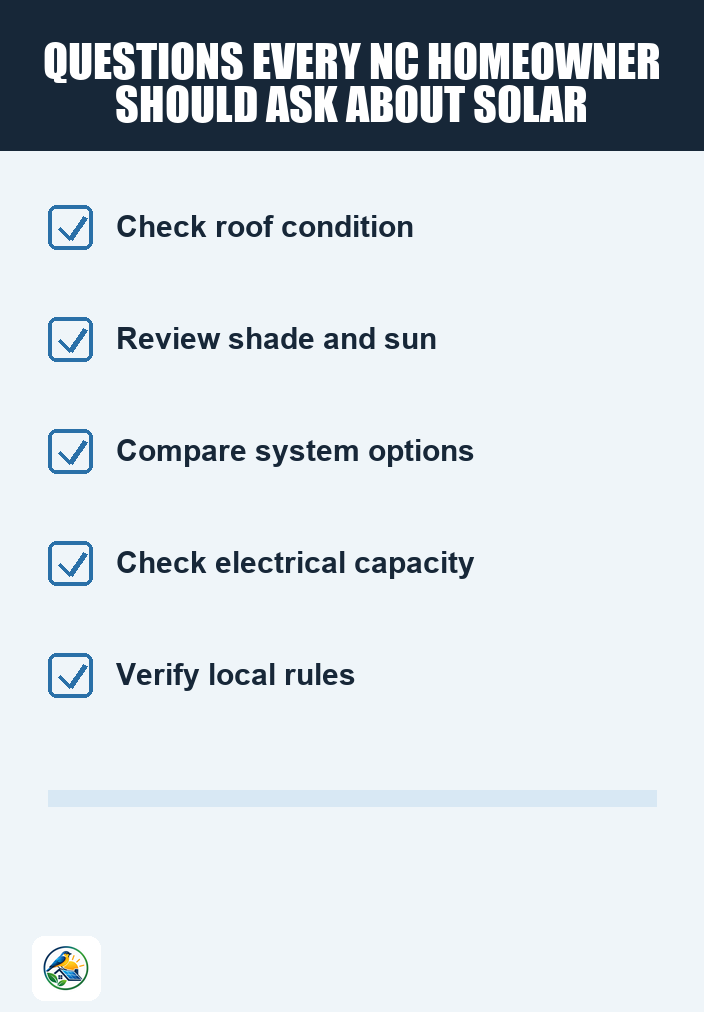
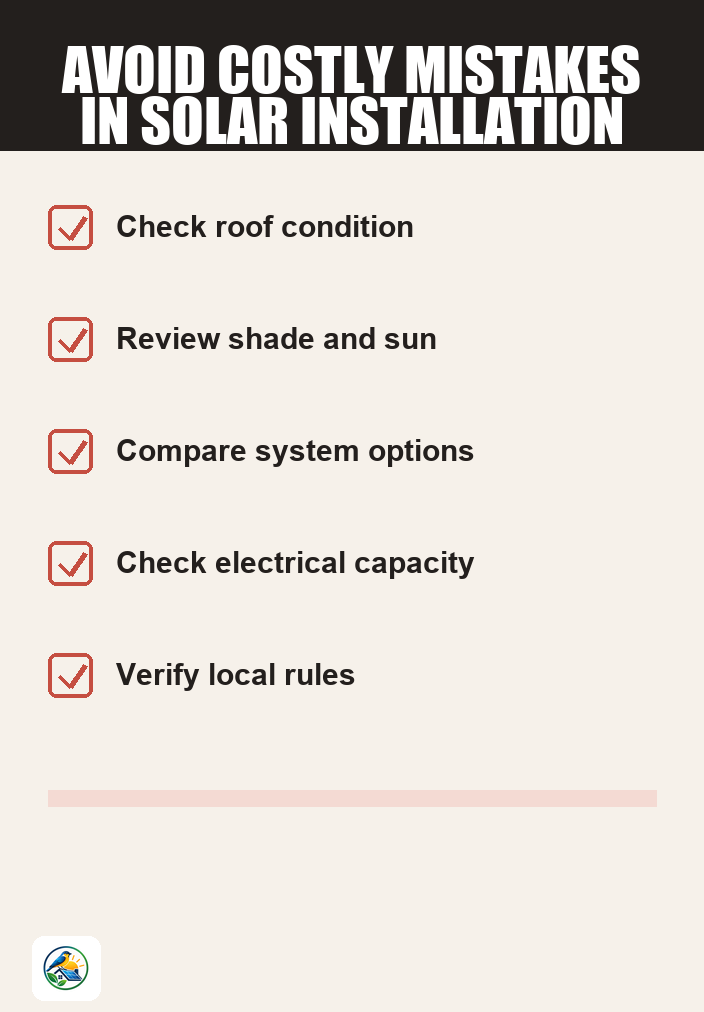
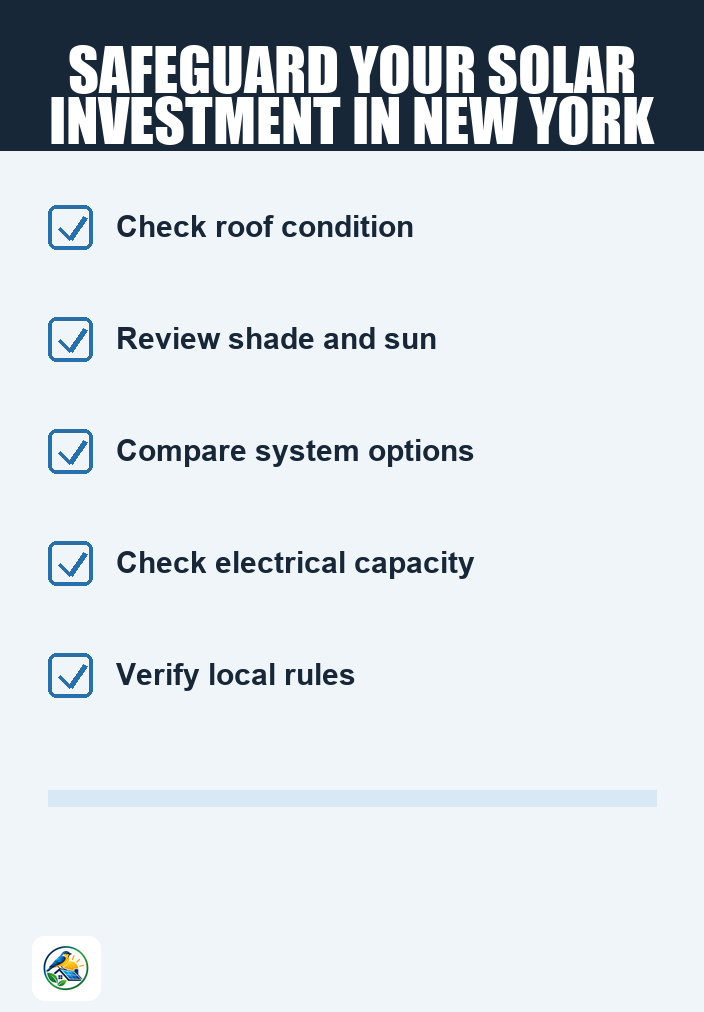
- Roof Condition: Is your roof in good shape? If it requires repairs or replacement soon, you may want to address that before installing solar panels.
- Roof Orientation and Angle: South-facing roofs typically receive the most sunlight. If your roof faces east or west, it can still work but may produce less energy.
- Shading Issues: Are there trees, buildings, or other obstructions that cast shadows on your roof? Even partial shading can significantly reduce solar efficiency.
- Roof Size: Is there enough space for the number of panels you would need to meet your energy demands? Consider your home’s square footage and energy consumption.
Understanding Solar System Types
Once you’ve assessed your home’s suitability, the next step is to understand the different types of solar systems available:
- Grid-Tied Systems: These are the most common residential setups. They connect to the local electricity grid, allowing you to draw power when your solar panels aren’t producing enough energy.
- Battery Backup Systems: These systems store excess energy generated during the day for use at night or during outages. This can be particularly useful in areas prone to power interruptions.
- Off-Grid Systems: If you live in a remote area without reliable access to the grid, an off-grid system with sufficient battery storage may be your only option.
- Generators: In some cases, homeowners may opt for a generator as a backup solution, especially in areas where grid reliability is a concern.
Evaluating Incentives and Financing Options
Financing your solar installation can significantly affect your decision. Colorado has various incentives and financing options available, but these can vary widely, so it’s essential to verify current details:
- Federal Tax Credits: Homeowners may be eligible for federal tax credits for installing solar, but the percentage and eligibility can change. Always check with a tax professional for the most current information.
- State Incentives: Colorado may offer additional incentives, including rebates or grants, but these can vary by locality.
- Financing Options: Consider whether you will pay upfront, take out a loan, or lease the system. Each option has different implications for ownership, maintenance, and savings.
Comparing Installer Quotes
Once you have a clearer idea of what you want, it’s time to gather quotes from qualified solar installers. Here’s a checklist for comparing quotes effectively:
- Itemized Costs: Ensure quotes break down the costs for equipment, installation, permits, and any additional services.
- System Size and Type: Compare the proposed system size and whether it’s grid-tied, battery backup, or off-grid.
- Warranties: Look at the warranties offered on equipment and installation. A longer warranty may indicate confidence in the system’s longevity.
- Installation Timeline: Ask about the expected timeline for installation and if they provide a timeline for any required permits.
- Post-Installation Support: Inquire about maintenance and support after installation. Will they provide monitoring services or ongoing maintenance?
Permitting and Interconnection Considerations
Before your solar installation can proceed, you’ll need to navigate local permitting and interconnection requirements. Here’s what to keep in mind:
- Permitting Process: Most localities require permits before installation can begin. Check with your local government for specific requirements.
- Interconnection Agreements: If you’re connecting to the grid, you’ll need to establish an interconnection agreement with your utility provider. This can involve additional paperwork and fees.
Potential Drawbacks to Consider
While solar energy has many benefits, be aware of potential drawbacks and constraints that could affect your decision:
- Initial Costs: The upfront costs of solar systems can be significant. Make sure to consider your budget and financing options.
- Maintenance Needs: Solar systems require some maintenance, including occasional cleaning and inspections.
- Weather Impact: Colorado’s weather can be unpredictable. While solar panels can still produce energy on cloudy days, extreme weather can impact efficiency.
- Future Plans: Consider whether you plan to move in the near future. Solar installations may not always add value to your home in the short term.
Next Steps for Homeowners
Making the leap to install solar energy can be a significant decision. To summarize your next steps:
- Evaluate your home’s suitability for solar energy, taking into account roof condition, orientation, and shading.
- Understand the types of solar systems available and which may best suit your needs.
- Research and verify current incentives and financing options available in Colorado.
- Gather and compare itemized quotes from qualified installers, ensuring you cover all aspects of the installation process.
- Stay informed about local permitting and interconnection requirements to avoid delays.
By following this checklist, you’ll be better equipped to make an informed decision about whether solar installation is right for your Colorado home. Remember to consult with professionals for the most accurate and relevant information tailored to your specific situation.