Assessing the Right Time for Solar Installation in Massachusetts
As homeowners in Massachusetts consider the possibility of installing a solar energy system, the question arises: is now the right time for solar installation? The answer is nuanced, depending on various factors that include current market conditions, personal financial situations, and specific home characteristics. This article will guide you through these considerations to help you make an informed decision.
Understanding the Massachusetts Solar Landscape
Massachusetts has positioned itself as a leader in solar energy adoption. Thanks to supportive state policies, a growing network of solar installers, and various incentive programs, the solar landscape here is evolving rapidly. However, while the environment is generally favorable, individual circumstances can greatly influence whether now is the best time for you to install solar panels.
Current Incentives and Policies
Incentives for solar installation can significantly impact the overall cost. Massachusetts offers several programs that may benefit new solar customers, including:
- Solar Massachusetts Renewable Target (SMART) Program: A compensation program for solar energy producers.
- Federal Tax Credits: While these require independent verification for current rates, they can reduce the upfront cost of installation.
- Net Metering: Allows homeowners to receive credit for excess energy produced by their solar system.
However, these incentives can vary by location and may change over time. It’s essential to verify the current status of these programs with local utility companies and state agencies.
The Role of Your Home’s Characteristics
Before moving forward with a solar installation, consider your specific home details:
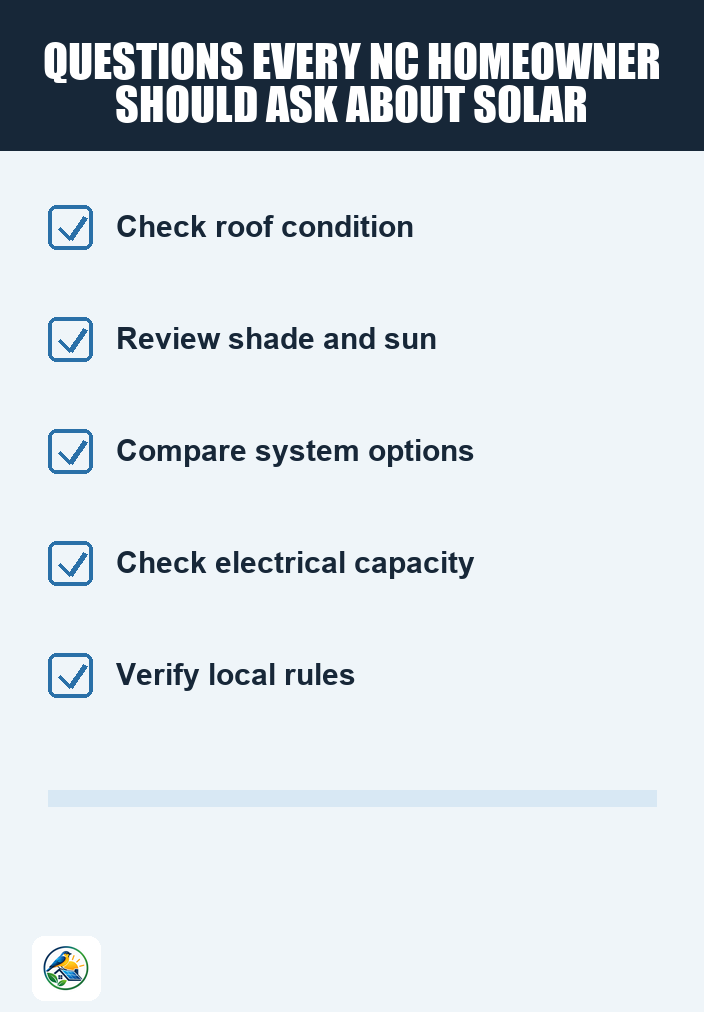
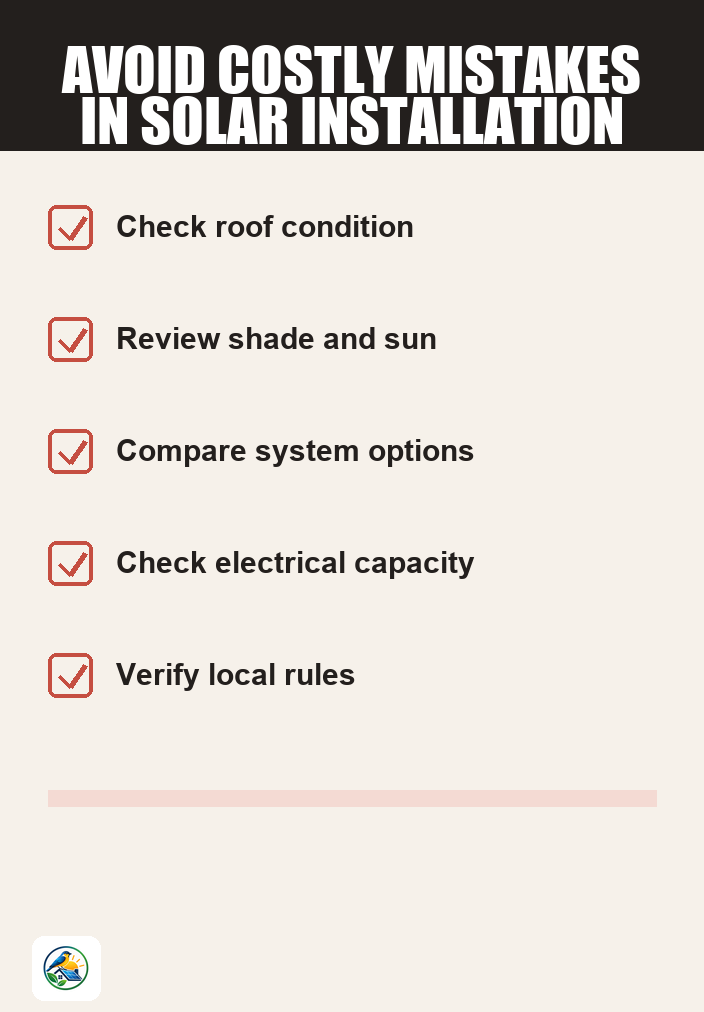
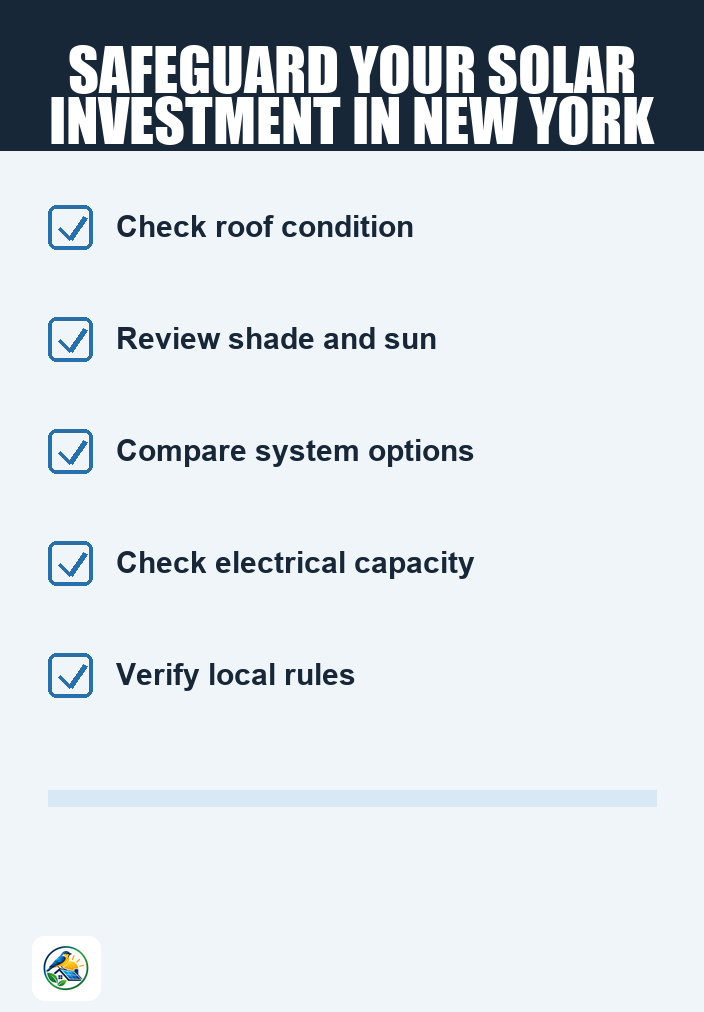
- Roof Condition: Ensure your roof is in good condition and can support the weight of solar panels. If it needs repairs or replacement, it may be wise to address that first.
- Orientation and Pitch: South-facing roofs typically receive the most sunlight, which can enhance energy production. Roofs with significant shading from trees or other structures may not be ideal.
- Size and Space: Evaluate whether your roof has enough space for the number of panels required to meet your energy needs.
Evaluating Financial Considerations
Finances are a significant factor in deciding whether to install solar. While many homeowners are drawn to the potential long-term savings on energy bills, it’s essential to consider the short-term costs involved:
- Initial Installation Costs: The upfront investment can be substantial. Obtaining quotes from qualified installers will provide a clearer picture of what to expect.
- Financing Options: Explore various financing methods, including solar loans, leases, or power purchase agreements (PPAs). Each has its pros and cons that can affect your overall financial picture.
- Potential Maintenance Costs: While solar systems are generally low-maintenance, be prepared for occasional upkeep, such as cleaning or inverter replacement.
Comparing Quotes from Installers
Obtaining multiple quotes from qualified solar installers is a crucial step. Each quote should include a breakdown of costs, financing options, estimated energy production, and any warranties offered. This comparison will help you assess which installer offers the best value and service for your specific situation.
Battery Storage: A Worthwhile Addition?
As you weigh your solar installation options, consider whether to include a home battery system. Battery storage allows you to store excess energy generated during the day for use at night or during outages. Here are some advantages and considerations:
- Energy Independence: Batteries can reduce reliance on the grid, especially during peak demand times when energy rates may be higher.
- Backup Power: A battery can provide peace of mind during power outages.
- Cost Implications: While batteries can enhance your system’s functionality, they also add to the upfront cost. Evaluate whether the benefits align with your energy needs and budget.
Environmental Considerations
While many homeowners are motivated by financial incentives, the environmental benefits of solar energy are also significant. Solar energy reduces reliance on fossil fuels, decreases greenhouse gas emissions, and contributes to a sustainable future. However, it’s essential to recognize that solar installations come with environmental trade-offs, such as the production and disposal of solar panels.
When to Delay Your Solar Installation
Not every homeowner will find that now is the right time for solar. Consider delaying your decision if:
- Your roof requires significant repairs or replacement.
- Your home is heavily shaded or has a less favorable orientation.
- Current financing options do not align with your budget.
- You are planning to move in the near future and may not see a return on investment.
Next Steps for Massachusetts Homeowners
If you’re considering solar installation in Massachusetts, the key is to conduct thorough research and gather detailed quotes. Start by assessing your home’s suitability for solar, understanding the current incentives, and exploring financing options. Reach out to multiple qualified solar installers to compare itemized quotes and get a clearer picture of your potential investment. By taking these practical steps, you can make an informed decision that aligns with your energy needs and financial goals.