Understanding the Basics of Solar Installation in Colorado
As more homeowners in Colorado explore the benefits of solar energy, understanding the essential elements of a successful solar installation becomes crucial. While the transition to solar power can offer numerous advantages, it also involves various considerations that must be taken into account. This guide aims to help Colorado homeowners navigate the complexities of solar energy systems, focusing on the key elements needed for a successful installation.
Key Considerations Before Installation
Before diving into the installation process, homeowners should evaluate several factors that can influence their solar experience. These include the condition of the roof, energy needs, and local regulations.
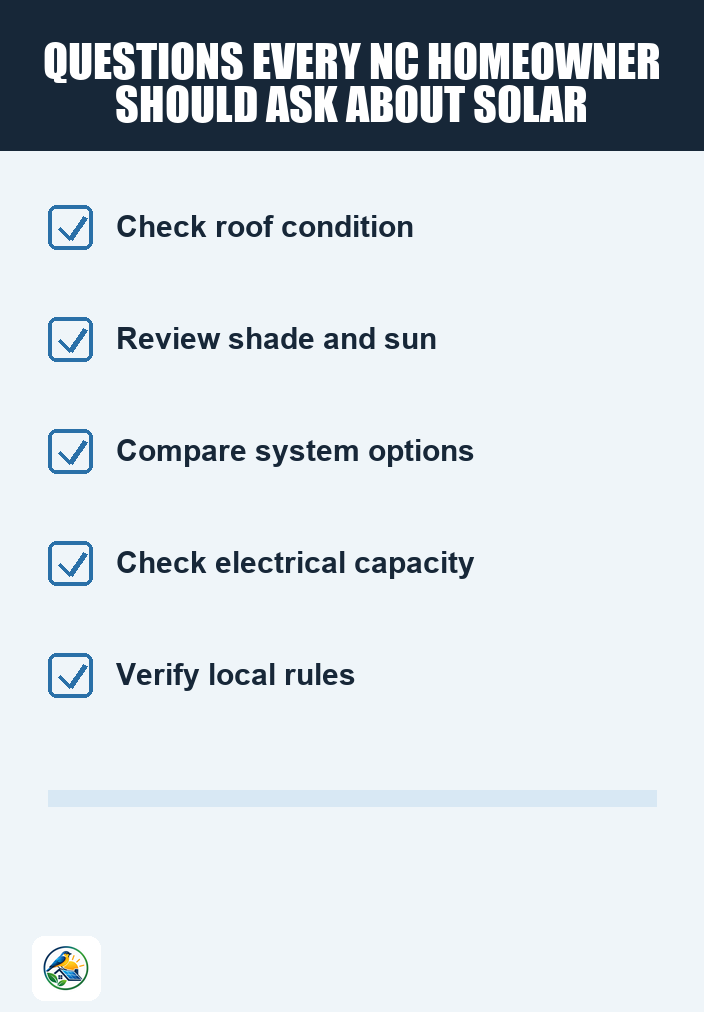
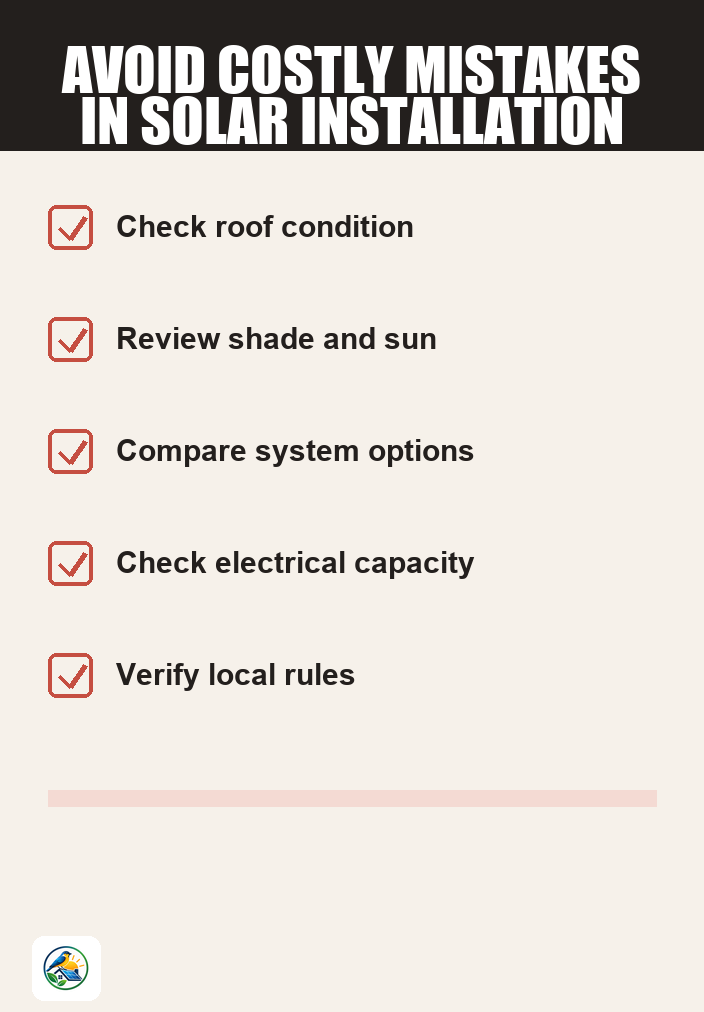
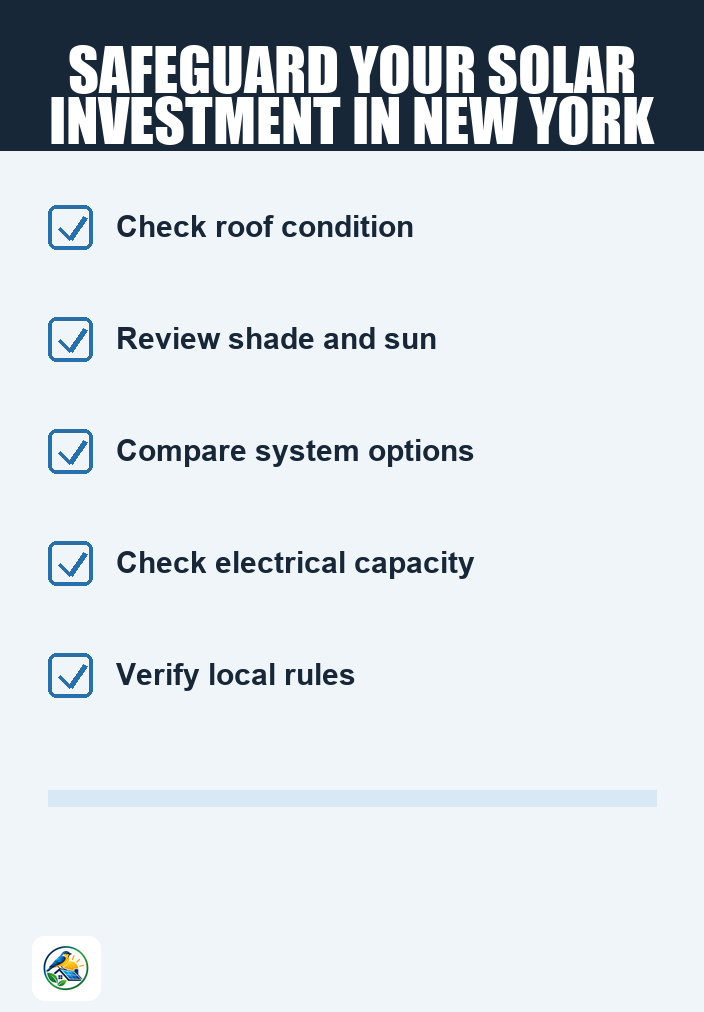
1. Roof Condition and Suitability
The roof is the foundation of any solar installation. Homeowners should assess the following:
- Age and Condition: Ensure your roof is in good shape and can support the weight of solar panels. If your roof needs repairs or replacement, it’s wise to address this before installing solar.
- Orientation and Pitch: South-facing roofs generally receive the most sunlight. A roof with a suitable pitch can enhance energy production, while a flat roof may require additional mounting solutions.
- Shade Analysis: Trees, buildings, or other structures can cast shadows on your roof, reducing solar efficiency. Consider conducting a shade analysis to understand how shading might affect your system.
2. Energy Needs Assessment
Understanding your energy consumption is vital in determining the size and type of solar system required. Consider the following steps:
- Review Utility Bills: Look at your past utility bills to determine your average monthly electricity use in kilowatt-hours (kWh).
- Future Needs: Anticipate any changes in energy consumption, such as new appliances, electric vehicles, or family growth.
- Net Metering: Colorado allows homeowners to sell excess energy back to the grid through net metering. Familiarize yourself with how this works and how it may influence your system size.
Choosing the Right Solar System Type
There are several types of solar systems to consider, each with its advantages and trade-offs.
1. Grid-Tied Systems
Most common among homeowners, grid-tied systems connect directly to the utility grid. This type allows for net metering, letting you sell excess energy back to the grid. However, they do not provide power during outages unless paired with a battery backup system.
2. Off-Grid Systems
Off-grid systems are entirely independent of the utility grid. They require battery storage to provide power during the night or cloudy days. While they offer energy independence, off-grid systems can be more expensive and require careful planning to ensure adequate energy supply.
3. Hybrid Systems with Battery Backup
Hybrid systems combine a grid-tied setup with battery storage. They allow homeowners to store excess energy produced during the day for use at night or during power outages. This setup provides greater flexibility but requires a larger initial investment.
Evaluating Equipment Options
When considering solar installation, the type of equipment can significantly impact performance and longevity. Here are some factors to consider:
- Panel Efficiency: Solar panels come in various efficiencies, which determine how much sunlight is converted into usable energy. Higher efficiency panels may cost more but can produce more energy in limited space.
- Inverters: Inverters convert the direct current (DC) generated by solar panels into alternating current (AC) used in homes. There are string inverters, microinverters, and power optimizers, each with different benefits regarding performance and monitoring.
- Batteries: If considering a battery backup, assess the capacity and technology of available options. Lithium-ion batteries are common and have a good lifespan, but other types may be more cost-effective depending on your needs.
Permitting and Interconnection
Before installation can begin, homeowners must navigate local permitting and interconnection processes. Here’s what to keep in mind:
- Local Permits: Most municipalities require permits for solar installations. Check with your local building department for specific requirements and timelines.
- Utility Interconnection: If you’re connecting to the grid, your utility company may have interconnection requirements. This process can involve inspections and approvals, so it’s important to understand what’s needed.
Financial Considerations and Incentives
Understanding the financial aspects of solar installation is crucial. While many homeowners are tempted by potential savings, it’s important to approach this with a clear understanding of costs and available incentives:
- Initial Costs: Solar installation costs can vary significantly based on system size, equipment quality, and labor. Obtaining multiple quotes from qualified installers can help you gauge the market.
- Incentives: Various federal, state, and local incentives may be available, such as tax credits or rebates. However, these incentives can change frequently, so verify current options before proceeding.
- Financing Options: Consider your financing options, which may include cash purchases, loans, or leases. Each option has its implications for ownership and long-term costs.
Maintaining Your Solar System
Once your solar system is installed, regular maintenance is key to ensuring its longevity and performance. Homeowners should consider the following:
- Regular Inspections: Schedule periodic inspections to check for any issues, such as debris accumulation or wear and tear on components.
- Cleaning Panels: While rain can help keep panels clean, homeowners in dry areas may need to clean panels periodically to maintain efficiency.
- Monitoring Performance: Utilize monitoring systems to track energy production and identify any drops in performance that may require attention.
Next Steps for Homeowners
Transitioning to solar energy in Colorado involves careful planning and consideration. To move forward:
- Assess your roof’s condition and energy needs.
- Explore different types of solar systems and their benefits.
- Research local permitting and interconnection requirements.
- Obtain itemized quotes from qualified solar installers to compare costs and options.
By taking these steps, you can make informed decisions about whether solar energy is the right fit for your home in Colorado.