Avoid These Costly Mistakes When Installing Solar in New York
Installing a solar energy system can be an exciting venture for homeowners looking to reduce their energy bills and contribute to a more sustainable future. However, the process can also be fraught with challenges. Particularly in New York, where regulations and incentives can vary significantly, it’s crucial to avoid common missteps that could lead to unexpected costs or complications. This guide outlines the key mistakes to watch out for when planning your solar installation.
Neglecting to Assess Your Home’s Suitability for Solar
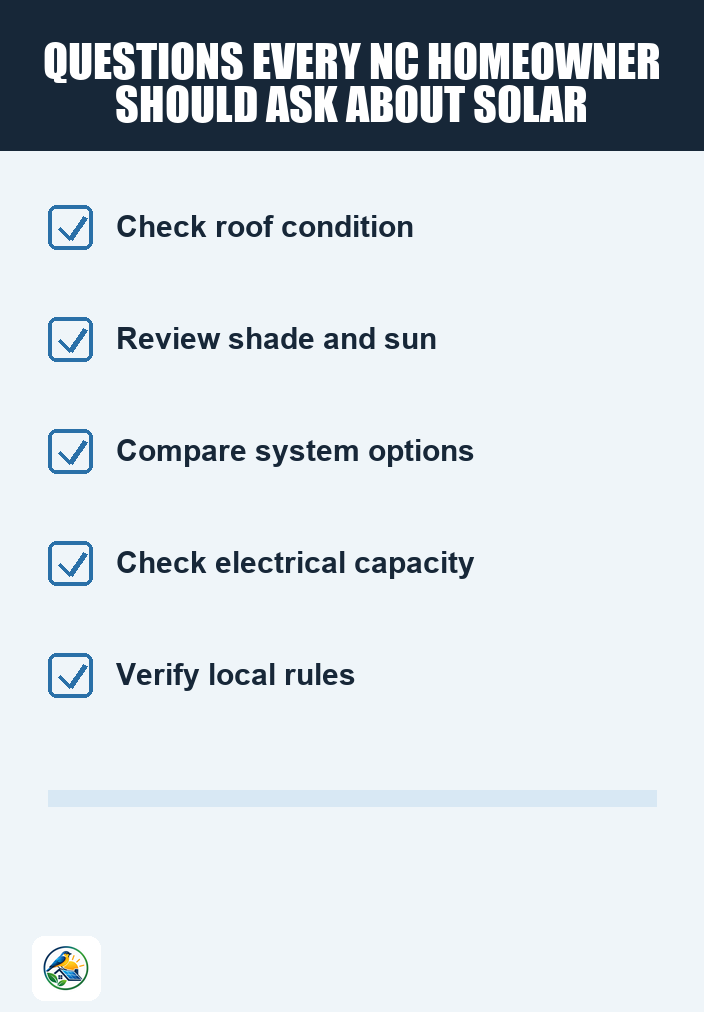
Before diving into quotes and contracts, take a moment to evaluate whether your home is suitable for solar energy. Here are some considerations:
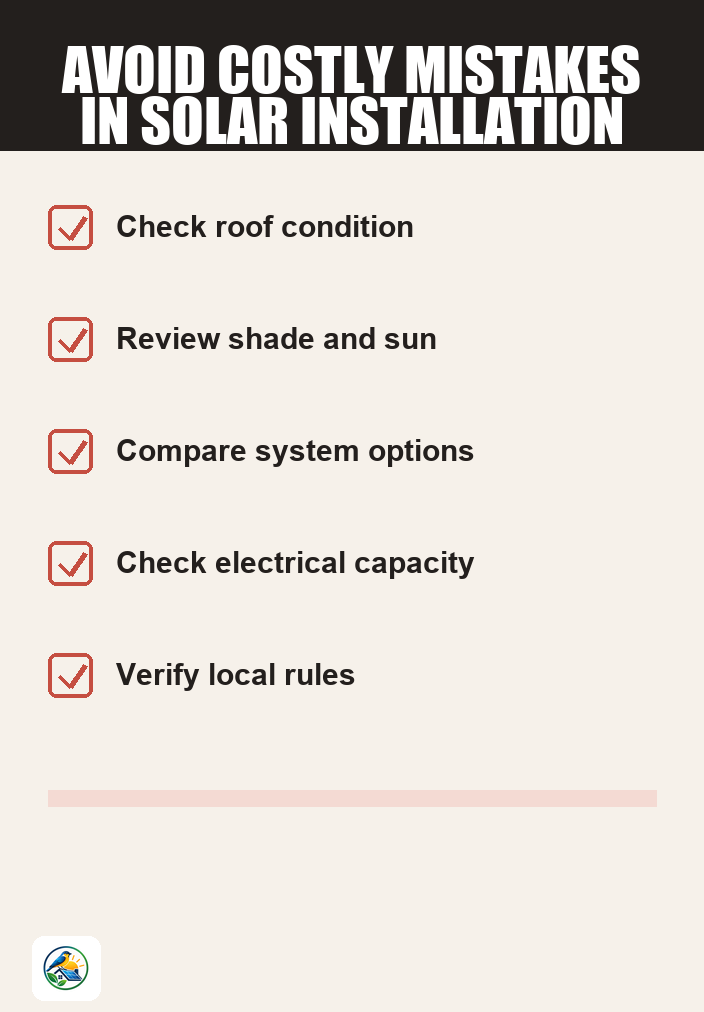
- Roof Condition: Ensure your roof is in good condition and capable of supporting solar panels. If your roof requires repairs or replacement soon, prioritize that before installation.
- Orientation and Pitch: South-facing roofs typically receive the most sunlight, but east and west-facing roofs can also be effective. Assess the pitch of your roof as it can influence the angle of the solar panels and their overall efficiency.
- Shade Analysis: Trees, buildings, or other obstructions can cast shadows on your roof, significantly reducing solar production. Conduct a shade analysis to understand potential impacts.
Overlooking Local Regulations and Permits
New York has specific regulations regarding solar installations, and failing to comply can lead to costly delays or fines. Here’s what you should check:
- Permitting Requirements: Most local governments in New York require permits for solar installation. Research your locality’s specific requirements to avoid unexpected hurdles.
- Interconnection Policies: Understand your utility’s interconnection process to connect your solar system to the grid. Each utility has different rules and timelines, which can affect your installation schedule.
- Building Codes: Ensure your installation meets all local building codes. Non-compliance could mean additional costs or the need for adjustments post-installation.
Choosing the Wrong Type of System
There are various types of solar systems available, including grid-tied systems, battery backup options, and off-grid solutions. Each has its own advantages and challenges. Here’s a breakdown:
- Grid-tied Systems: These are the most common and typically less expensive than other options. However, they rely on the grid, meaning you won’t have power during outages unless you add a battery.
- Battery Backup: Adding a battery to your solar system can provide power during outages and store excess energy. However, this option can significantly increase the upfront cost and complexity of your system.
- Off-grid Systems: These are designed for complete independence from the grid, often requiring more solar panels and batteries. This may not be practical for most homeowners, particularly in urban areas.
When deciding on a system type, consider your energy needs, budget, and how much independence you want from the grid.
Failing to Compare Quotes from Qualified Installers
One of the most critical steps in the solar installation process is obtaining and comparing quotes from multiple qualified installers. Here’s why this is essential:
- Understanding Costs: Solar installation costs can vary widely based on the installer, system size, and location. Comparing itemized quotes can help you understand what you’re paying for.
- Evaluating Services: Different installers may offer varying levels of service, warranties, and post-installation support. Ensure you’re comparing both price and quality.
- Identifying Incentives: Some installers may be more familiar with local and federal incentives, which can affect your overall costs. Verify that any quoted incentives are current and applicable to your situation.
Ignoring Maintenance and Long-Term Considerations
While solar systems are generally low-maintenance, they do require occasional attention. Failing to plan for maintenance can lead to longer-term costs. Consider the following:
- Cleaning and Inspection: Dust, debris, and snow can accumulate on solar panels, reducing efficiency. Regular cleaning and inspections are essential to maintain performance.
- Inverter Lifespan: Inverters typically last 5-15 years and may need replacement during the lifetime of your solar system. Factor this potential cost into your long-term budget.
- Utility Rate Changes: Be aware that utility rates can change, potentially impacting the financial benefits of your solar system over time. Review your energy usage and costs periodically.
Not Understanding Financial Implications
Solar energy systems can require significant upfront investments, and it’s crucial to thoroughly understand your financial options:
- Financing Options: Explore different financing methods, including loans, leases, and power purchase agreements (PPAs). Each comes with its own implications for ownership and savings.
- Incentives and Tax Credits: While there are federal and state incentives available for solar installations, these can change. Always verify the current status of any incentives you plan to rely upon.
- Long-Term Commitment: Consider your long-term plans. If you plan to move in a few years, assess how a solar installation might impact your property value and energy savings.
Next Steps for Homeowners
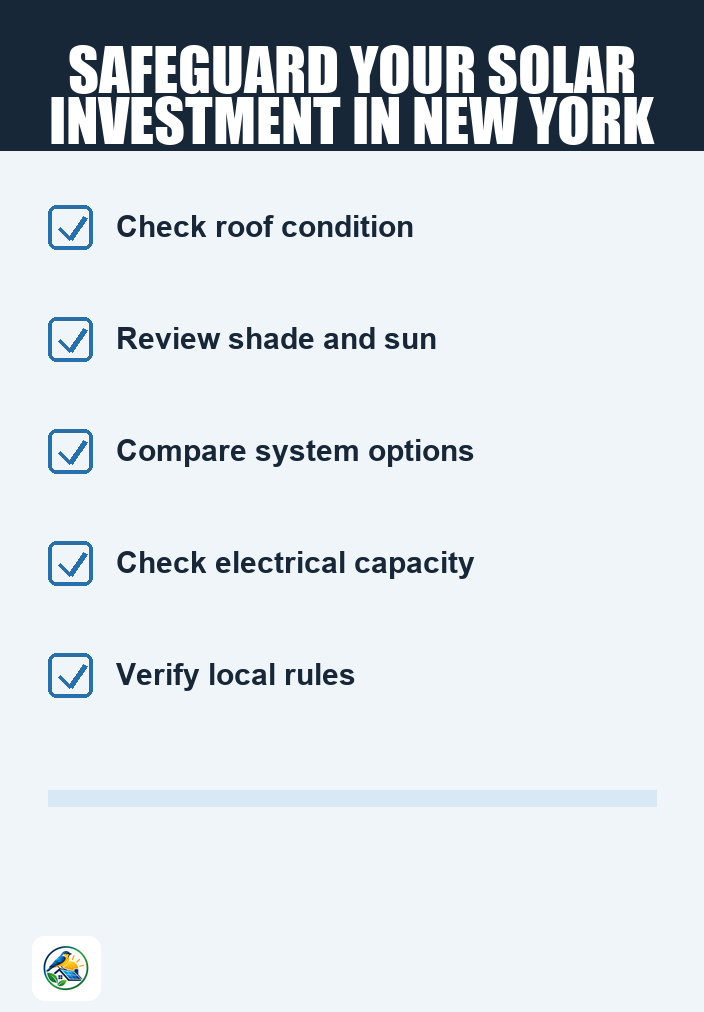
Installing solar in New York can be a rewarding decision, but it requires careful planning and consideration. Avoid the costly mistakes outlined above by taking the following steps:
- Assess your home’s suitability for solar.
- Research local regulations and permitting requirements.
- Compare itemized quotes from multiple qualified solar installers.
- Consider the long-term maintenance and financial implications of your chosen system.
By conducting thorough research and planning, you can make informed decisions that align with your energy goals and financial expectations. Remember, the right decisions today can lead to a successful solar experience tomorrow.