Understanding Your Solar Installation Options in California
Planning a solar installation in California is an exciting venture that can lead to significant benefits for many homeowners. However, it requires careful consideration of various factors to ensure it aligns with your energy needs and financial situation. In this article, we will guide you through the essential steps and considerations for a successful solar installation.
Assessing Your Home’s Solar Potential
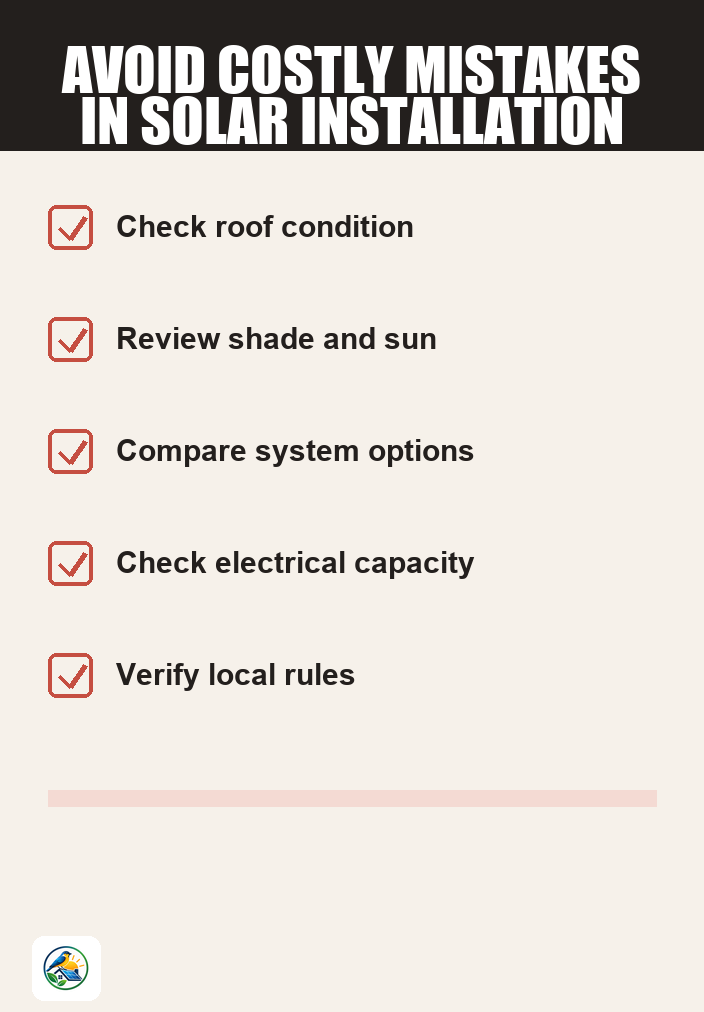
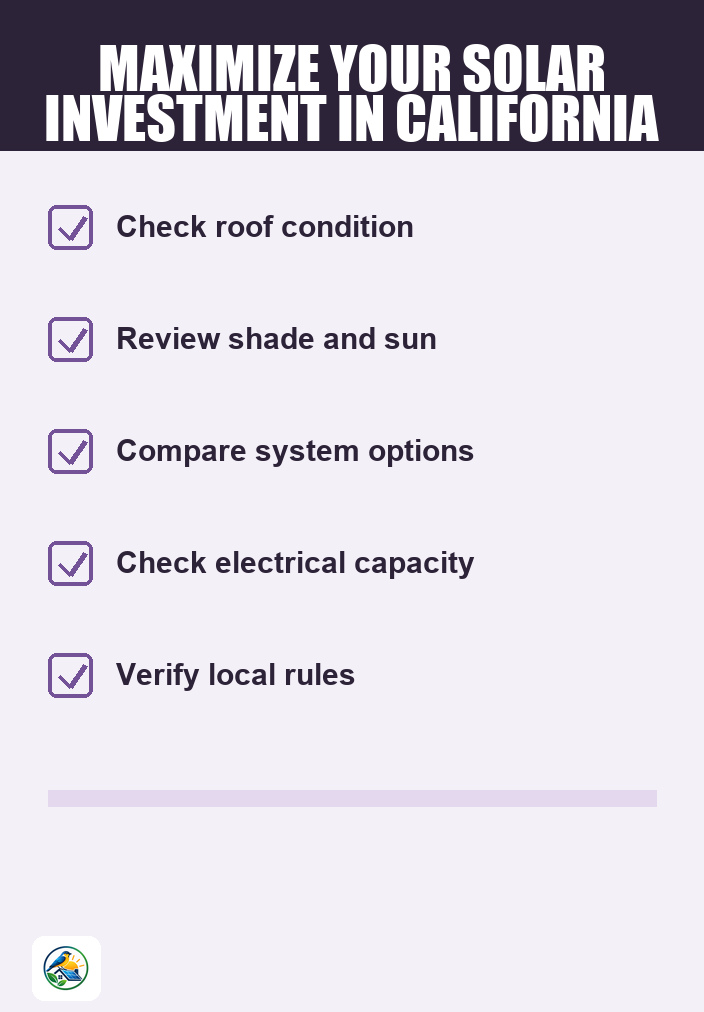
The first step in planning your solar installation is understanding your home’s potential for solar energy production. Factors influencing this include:
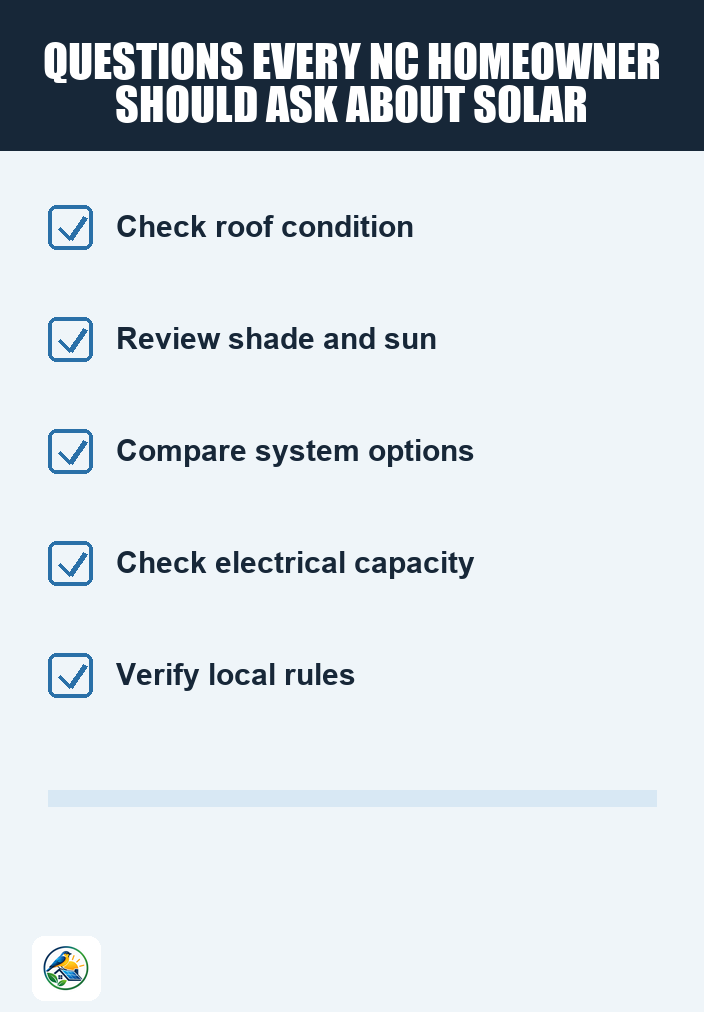
- Roof Condition: Ensure your roof is in good shape. A roof that requires repairs or replacement may not be ideal for solar panels.
- Orientation and Pitch: South-facing roofs typically receive the most sunlight, but east- and west-facing roofs can also work well. The pitch of your roof can affect the efficiency of the solar panels.
- Shade Analysis: Trees, buildings, or other obstacles that cast shade on your roof can significantly reduce solar panel performance. Conduct a shade analysis to determine the best installation areas.
Choosing Between Different Solar Systems
When planning your solar installation, you’ll need to decide on the type of system that best suits your needs:
Grid-Tied Systems
Most residential solar installations in California are grid-tied systems. These systems connect to the utility grid, allowing you to draw power from the grid when your solar panels are not producing enough energy. They typically do not require batteries and can provide net metering benefits, allowing you to receive credits for excess power generated.
Battery Backup Systems
If you want more control over your energy usage and wish to maintain power during grid outages, consider a battery backup system. These systems store excess energy generated by your solar panels for later use. However, they come with higher upfront costs and may require additional considerations for sizing and installation.
Off-Grid Systems
For homeowners looking to be completely independent of the utility grid, off-grid systems are an option. These systems require a combination of solar panels and batteries to generate and store energy. Off-grid systems can be complex and may need careful planning around energy consumption and battery capacity.
Evaluating Energy Needs and System Size
To determine the appropriate size of your solar installation, you need to evaluate your household’s energy consumption. This involves:
- Reviewing Electricity Bills: Analyze your energy bills from the past year to understand your monthly and annual usage.
- Calculating Your Solar Needs: A general rule of thumb is that 1 kilowatt (kW) of solar capacity can produce about 1,200 to 1,500 kilowatt-hours (kWh) of electricity annually, depending on location and system efficiency. Divide your annual energy usage by this number to estimate the kW needed.
Understanding Costs and Financing Options
While the cost of solar installations can vary widely, understanding your financing options is crucial. Common methods include:
- Cash Purchase: Paying upfront for your system can eliminate monthly payments and interest, but it requires a significant initial investment.
- Solar Loans: Many homeowners opt for loans that allow them to pay for their solar system over time, often with lower interest rates.
- Leases and Power Purchase Agreements (PPAs): These options allow homeowners to install solar with little to no upfront cost, paying a monthly fee or for the energy produced instead.
Before deciding, compare the total costs, including installation, maintenance, and potential utility savings. Consulting a qualified installer for detailed quotes can help clarify your financing choices.
Permitting and Interconnection Process
In California, obtaining the necessary permits and connecting your solar system to the grid involves a few steps. You should:
- Check Local Regulations: Each municipality may have different permitting requirements, so it’s essential to consult local authorities or your installer.
- Utility Interconnection: After installation, you must apply for interconnection with your utility company. This process ensures your system complies with utility standards, allowing you to benefit from net metering.
Exploring Incentives and Tax Credits
California offers a range of incentives for homeowners who install solar systems. While the federal solar tax credit was available in the past, current incentives may vary. It’s crucial to verify:
- State Programs: Check for state-specific rebates or incentives that can assist with installation costs.
- Local Utility Incentives: Some utility companies provide additional incentives for solar energy installations.
Always verify the latest information regarding incentives, as they can change frequently based on state and federal policies.
Comparing Installer Quotes
Once you’ve gathered all the necessary information, it’s time to compare quotes from qualified solar installers. When evaluating quotes, consider:
- Itemized Costs: Look for detailed breakdowns of costs, including equipment, installation, and permitting fees.
- Warranty and Maintenance: Understand the warranties offered on the system and the maintenance services provided.
- Installer Experience: Research the installer’s reputation, customer reviews, and experience in the California market.
Next Steps for Planning Your Solar Installation
Planning a solar installation in California involves several essential steps, from assessing your home’s solar potential to comparing installer quotes. Before making a final decision, consider the following:
- Consult with professionals to gather itemized quotes based on your specific needs.
- Verify current local utility and government incentives that may be available to you.
- Evaluate the long-term benefits and maintenance requirements of your solar system.
By taking these steps, you will be better equipped to make an informed decision about whether solar energy is the right choice for your home.