Is Solar Installation Right for You in Colorado?
Considering solar installation can feel overwhelming, especially for homeowners in Colorado. With abundant sunshine and various incentives, many are exploring the possibility. However, deciding if now is the right time for solar installation involves assessing personal circumstances, property specifics, and local regulations. Here’s a practical checklist to guide Colorado homeowners through the decision-making process.
Understanding Your Energy Needs
The first step in determining if solar is right for your home is understanding your energy consumption. Start by reviewing your utility bills from the past year. Take note of:
- Your average monthly electricity usage (in kilowatt-hours, or kWh).
- Seasonal variations in your energy use.
- Any significant changes anticipated in your household that could affect energy consumption, such as new appliances or family members.
Once you have a clear idea of your energy needs, you can better assess what size solar system might be appropriate for your home.
Evaluating Your Roof
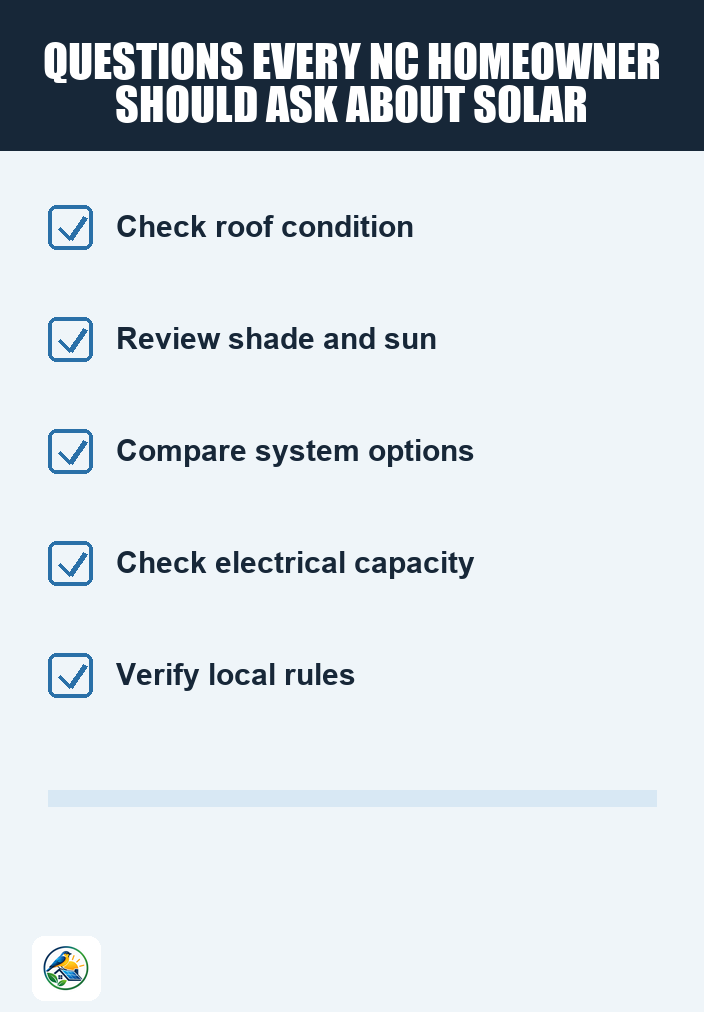
The condition and characteristics of your roof play a significant role in solar feasibility. Consider the following factors:
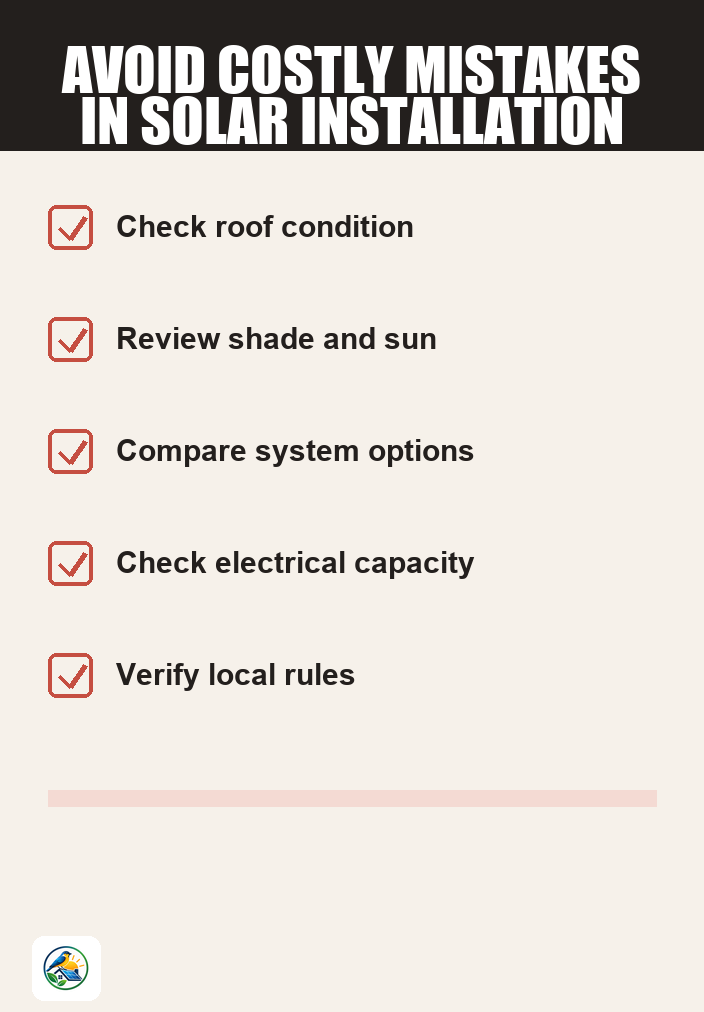
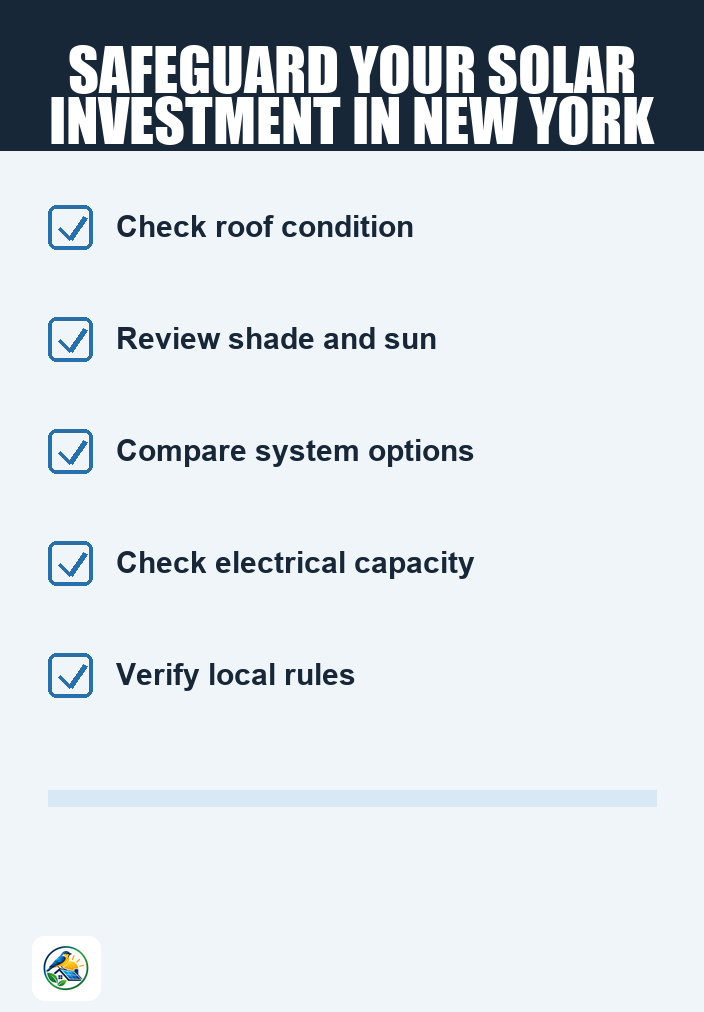
- Age and Condition: Ensure your roof is in good condition and has at least 15-20 years of life left. If repairs or replacements are needed soon, it may be wise to address those before installing solar panels.
- Orientation and Pitch: South-facing roofs typically receive the most sunlight, but east and west-facing roofs can still be effective. The pitch of your roof can also affect the efficiency of solar energy capture.
- Shade Analysis: Trees, buildings, or other obstructions that cast shade on your roof can significantly reduce solar panel efficiency. Conduct a shading assessment to understand how much sunlight your roof receives throughout the day.
Exploring System Options
Next, consider the type of solar system that best fits your needs. Here are the primary options:
- Grid-Tied Systems: These are the most common installations, allowing you to draw power from the grid and send excess power back, potentially earning credits through net metering. However, they don’t provide power during outages.
- Battery Backup Systems: Adding a battery can store excess energy for use during outages or at night, but it increases upfront costs and requires careful consideration of capacity needs.
- Off-Grid Systems: For those in remote areas, this option allows complete independence from the grid. However, it requires a more significant investment and careful planning for energy storage and consumption.
Incentives and Financial Considerations
Before you move forward, research available incentives. While Colorado has various state and local programs, it’s crucial to verify current offerings as they can change. Here are some general points to consider:
- Federal Tax Credit: Check current eligibility for the federal solar tax credit, which can provide a percentage off your installation costs.
- State Incentives: Colorado may offer additional rebates or incentives, but these can vary by location and over time.
- Financing Options: Explore financing offers from solar companies, banks, or credit unions. Understand the terms, interest rates, and any potential impact on your property.
Permitting and Installation Process
Installing solar panels involves a permitting process that can vary by municipality. Homeowners should:
- Check Local Regulations: Contact your local government to understand permitting requirements and any specific regulations in your area.
- Installer Credentials: Choose a qualified installer with experience in your area. Ask for references and check for proper licensing and insurance.
- Installation Timeline: Discuss the expected timeline for installation, including permitting, installation, and inspections with your installer.
Potential Drawbacks to Consider
While solar has many benefits, it’s essential to understand potential drawbacks:
- Upfront Costs: Solar installation can be a significant initial investment. Ensure you’re financially prepared for this expenditure.
- Maintenance: Though solar systems require minimal maintenance, you may need to clean panels and occasionally check system performance.
- Weather Dependency: Colorado experiences varying weather conditions, including snow and hail. Consider the potential impact on solar production during harsh weather.
Next Steps for Homeowners
If you’ve evaluated your energy needs, roof conditions, system options, and financial considerations, it may be time to get professional input. Here are practical next steps:
- Contact qualified solar installers in your area for detailed, itemized quotes.
- Compare the proposals, focusing on system size, equipment quality, warranties, and pricing.
- Verify current incentives and financing options to ensure you’re making the best financial decision.
- Consider scheduling a site assessment with installers to discuss your specific property and needs.
Solar energy can be a valuable investment for many Colorado homeowners, but it’s essential to approach the decision with thorough research and consideration. By following this checklist, you can make an informed choice about whether now is the right time for solar installation.