Understanding Solar Installation for New Yorkers
Considering solar installation in New York is an exciting step toward energy independence and sustainability. However, before diving into this venture, it’s essential to grasp the unique aspects of solar systems, installation processes, and local regulations. This article aims to equip you with the knowledge you need to make informed decisions about installing solar panels on your home.
Types of Solar Systems Available
When exploring solar options, it’s crucial to understand the different types of systems available:
- Grid-Tied Solar Systems: These systems are connected to the local utility grid and allow you to draw power from the grid when your solar panels aren’t producing enough energy. They are the most common type of solar installation.
- Battery Backup Systems: By adding a battery to your solar setup, you can store excess energy generated during the day for use at night or during power outages. This option provides greater energy independence.
- Off-Grid Systems: These systems are not connected to the utility grid and require a battery storage solution to ensure you have power at all times. They are typically more expensive and suitable for remote locations.
- Generators: Some homeowners may opt for backup generators that run on fossil fuels. These can provide power during outages but are not a renewable energy solution.
Assessing Your Home’s Suitability for Solar
Before proceeding with solar installation, consider the following factors that can impact your system’s performance:
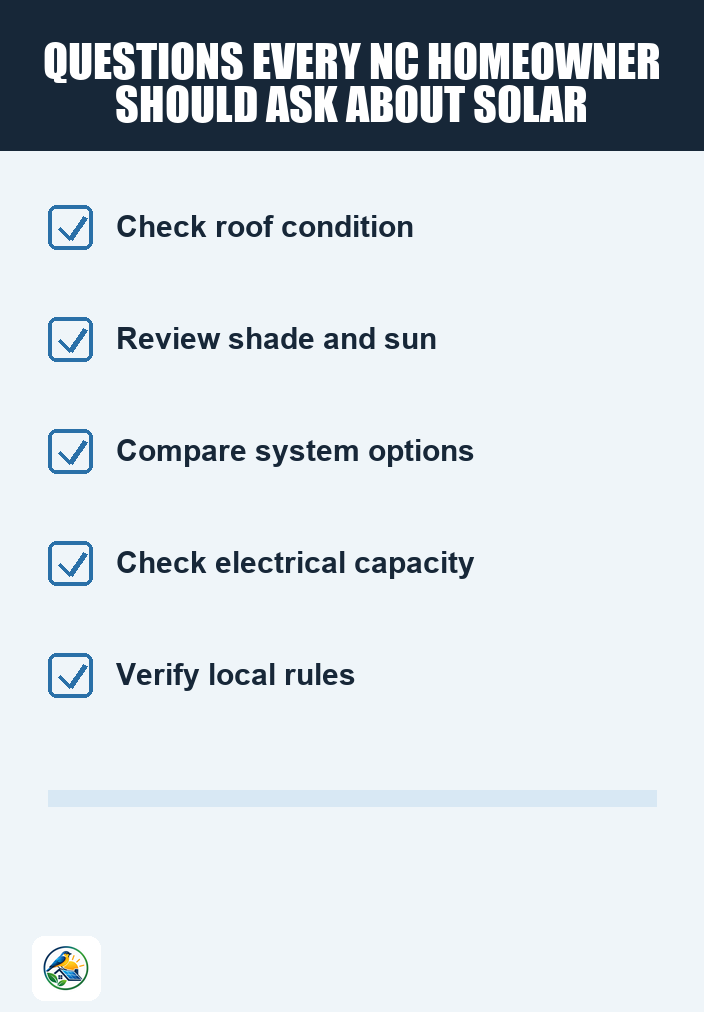
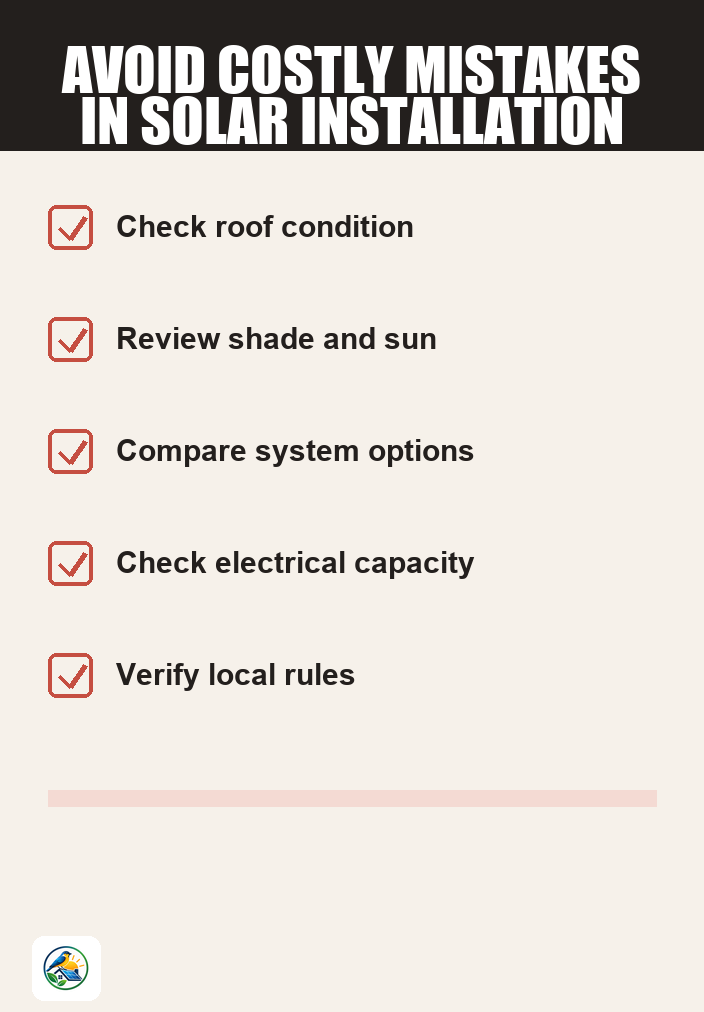
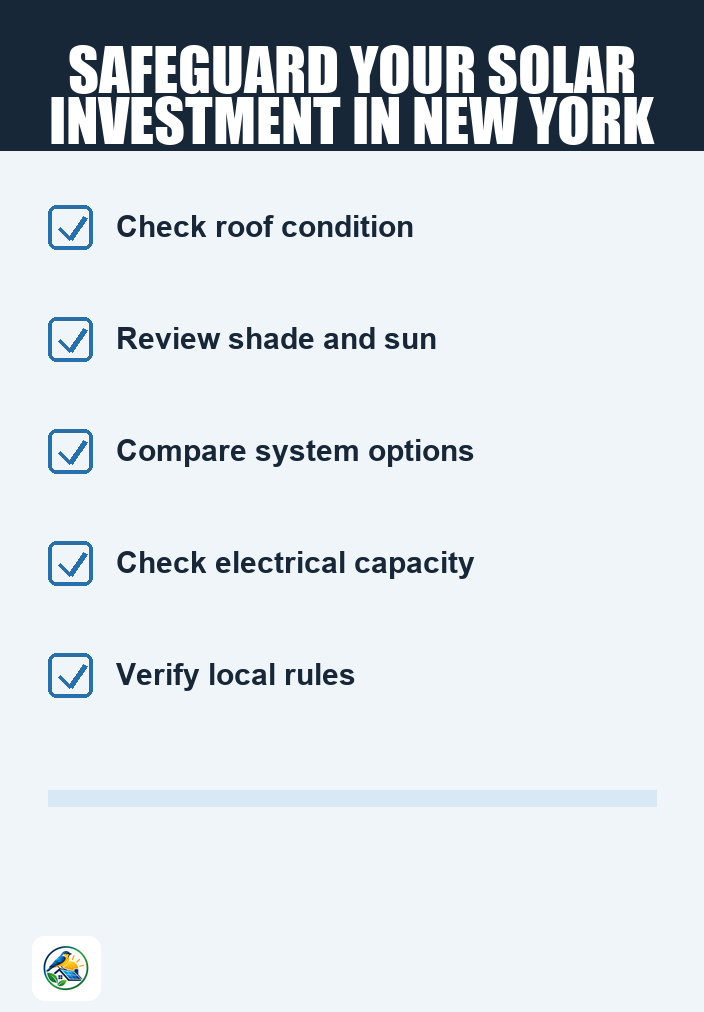
- Roof Condition: Ensure your roof is in good condition. If it requires repairs or replacement, address these issues before installation.
- Roof Orientation and Pitch: South-facing roofs typically receive the most sunlight, but east or west-facing roofs can also be effective. The pitch of your roof may affect the efficiency of the installation.
- Shading: Trees, neighboring buildings, or other obstructions can limit sunlight exposure. Evaluate how shade affects different parts of your roof throughout the day.
- Electrical System Upgrades: Older homes may require electrical upgrades to support a solar system. An evaluation by a qualified installer can help identify any necessary changes.
Understanding Permitting and Interconnection
Obtaining the necessary permits and understanding interconnection rules is a vital part of the solar installation process. New York has specific regulations that homeowners must follow:
- Permitting: Local building departments require permits for solar installations. The process can vary by municipality, so check local requirements early in your planning.
- Interconnection Agreements: If you are connecting to the grid, you’ll need an interconnection agreement with your utility provider. This document outlines how your solar system will connect and operate with the grid.
Exploring Financial Considerations
While many homeowners find solar an attractive investment, it’s essential to evaluate the financial aspects carefully:
- Incentives and Tax Credits: New York offers various incentives for solar installation, including state and local programs. However, these incentives can change, so verify the current offerings.
- Financing Options: Explore different financing options, including loans, leases, and power purchase agreements (PPAs). Each has its advantages and disadvantages, so consider your financial situation before deciding.
- Maintenance Costs: Solar systems generally require minimal maintenance, but it’s essential to budget for occasional inspections and cleaning to ensure optimal performance.
Evaluating Quotes from Installers
Once you’ve assessed your home and its suitability for solar, it’s time to gather quotes from qualified installers. Here’s how to evaluate these quotes effectively:
- Itemized Breakdown: Ensure each quote includes an itemized breakdown of costs, including equipment, labor, permits, and any additional fees.
- System Specifications: Compare the specifications of the systems offered, including panel efficiency, inverter type, and warranty periods.
- Experience and Reviews: Research the experience of each installer. Look for customer reviews and references to gauge their reliability and quality of work.
- Financing Options: Ask about financing options and whether they offer guidance on navigating incentives and rebates.
Next Steps
Embarking on a solar installation journey in New York requires careful consideration and planning. Start by assessing your home’s suitability for solar, familiarizing yourself with local regulations, and understanding your financial options. Once you’re prepared, gather and compare itemized quotes from qualified installers to make an informed decision. Take your time to ensure that solar is a good fit for your home and lifestyle.