Understanding Common Financing Pitfalls When Installing Solar in New York
As interest in residential solar energy continues to grow, many homeowners in New York are considering investing in rooftop solar systems. However, financing these systems can present various challenges. Understanding these common pitfalls can help you make informed decisions, ensuring that your investment aligns with your financial goals and energy needs.
1. Underestimating Total System Costs
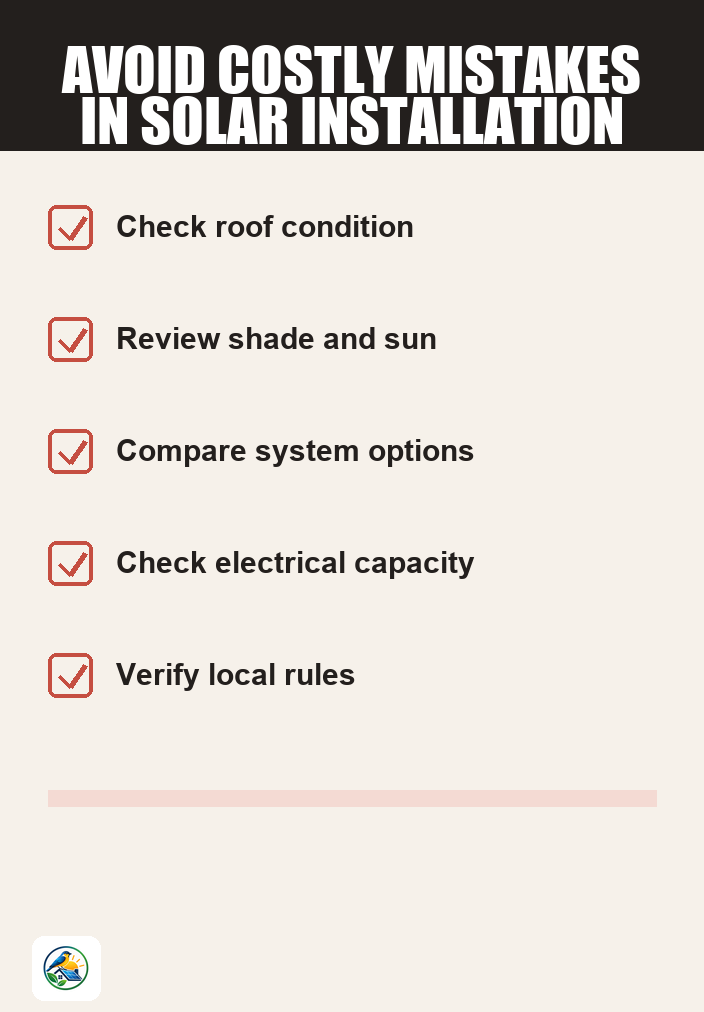
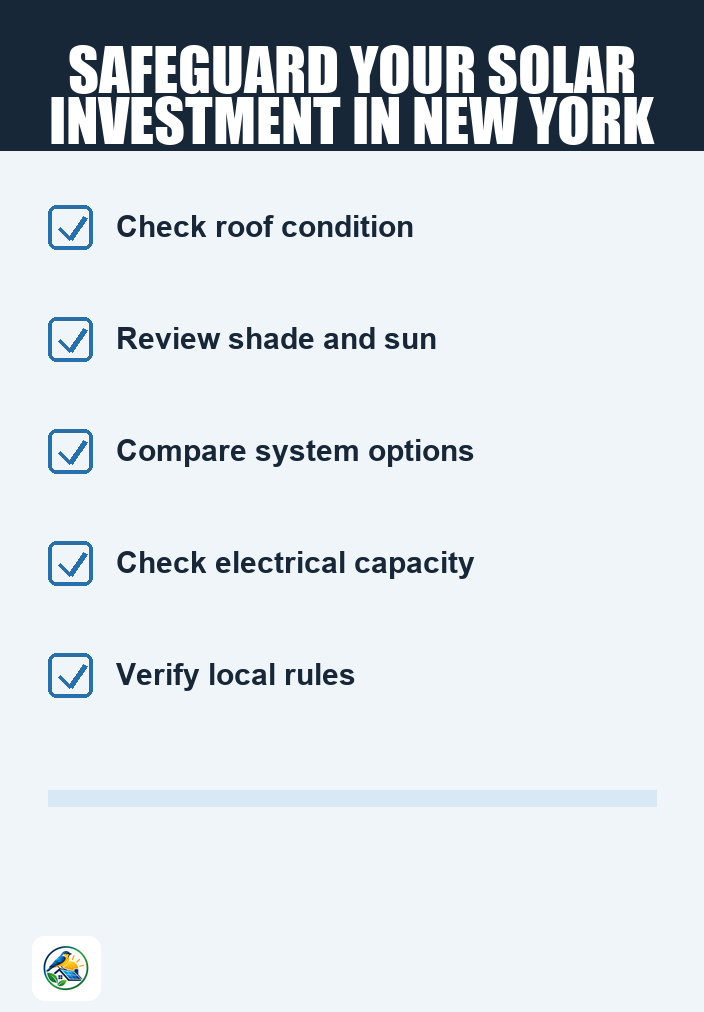
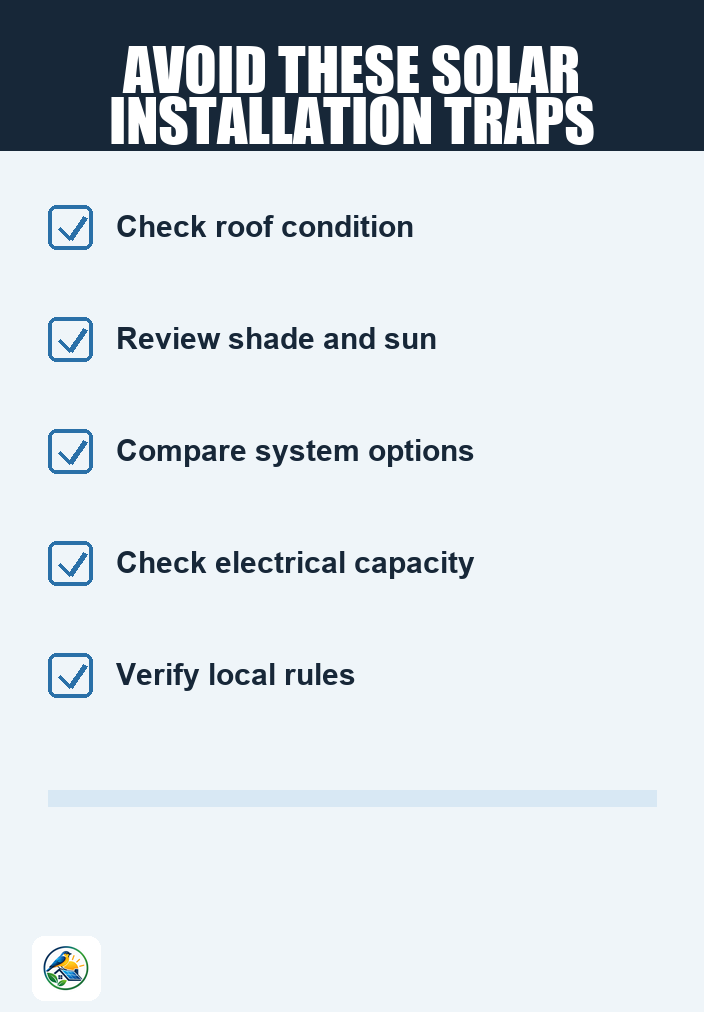
One of the most significant pitfalls homeowners face is underestimating the total cost of a solar installation. While initial quotes may seem appealing, they often don’t account for additional expenses that can arise during the process. Here are some aspects to consider:
- Permitting Fees: Local regulations may require permits, which can add to your upfront costs.
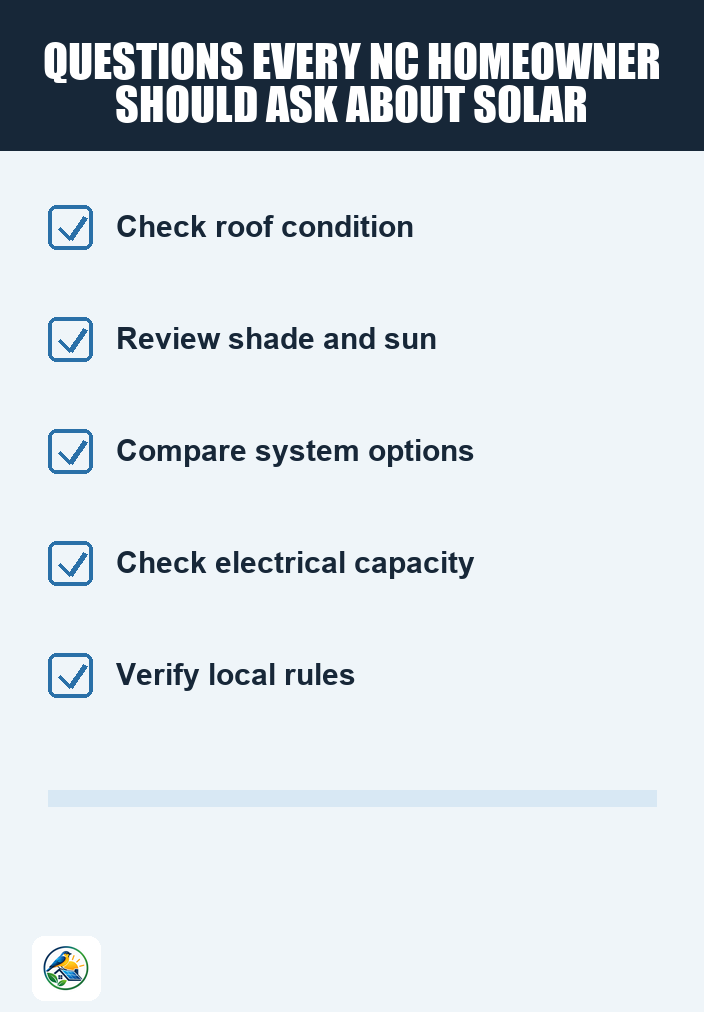
- Electrical Upgrades: If your home’s electrical system is outdated or not compatible with solar technology, you may need to invest in upgrades.
- Roof Condition: A roof in poor condition may require repairs or replacement before installation, adding to the overall cost.
- Maintenance Costs: While solar systems typically require minimal maintenance, there are still costs associated with cleaning and occasional repairs.
2. Misunderstanding Financing Options
Homeowners in New York have several financing options available, including cash purchases, solar loans, and leases. Each option has its pros and cons, and it’s crucial to understand them:
- Cash Purchase: Paying upfront may offer the best long-term savings but requires significant initial capital.
- Solar Loans: These allow homeowners to spread the cost over time, but interest rates and terms vary. Always compare loan offers to find the best deal.
- Solar Leases and Power Purchase Agreements (PPAs): These options can reduce upfront costs but may limit your long-term savings and benefits associated with ownership.
Before deciding, take the time to evaluate the total cost of ownership for each option. An itemized quote can help clarify these details.
3. Ignoring Potential Incentives and Tax Credits
New York offers various incentives for solar installation, including state tax credits and rebates. However, these programs can change frequently, and eligibility requirements can be complex. Many homeowners make the mistake of assuming they will automatically qualify for all available incentives.
It’s essential to:
- Research Current Incentives: Verify the latest information on state and federal incentives, as they can significantly impact your overall costs.
- Consult a Tax Professional: A tax expert can help you understand how solar credits may affect your tax situation.
4. Failing to Compare Multiple Quotes
Another common mistake is not obtaining multiple quotes from different installers. Each company may offer varying prices, financing options, and equipment quality. By only getting one quote, you risk missing out on potential savings and better service.
When comparing quotes, consider the following:
- Itemization: Look for detailed breakdowns of costs, including equipment, labor, and any additional fees.
- Warranties and Support: Assess the warranties offered on both equipment and installation services.
- Reputation: Research the installers’ track records and customer reviews to gauge reliability and service quality.
5. Overlooking Long-Term Energy Needs
Homeowners often focus on immediate savings without considering their long-term energy needs. Factors such as family size, potential electric vehicle purchases, and future home renovations can affect your energy consumption and solar requirements.
When planning your solar installation, think about:
- Future Energy Usage: Estimate how your energy needs may change in the coming years.
- Battery Storage: Consider whether adding battery storage makes sense for your home, especially if you want backup power during outages.
6. Not Considering System Sizing and Orientation
The size of your solar system and its placement on your roof can significantly impact its efficiency and overall performance. Homeowners may fall into the trap of installing a system that does not adequately meet their energy needs or is not optimized for solar exposure.
To avoid this pitfall:
- Conduct a Site Assessment: Have a professional evaluate your roof’s orientation, shading, and available space for solar panels.
- Understand System Sizing: Work with your installer to determine the appropriate system size that fits your energy consumption and roof space.
7. Skipping Research on Local Utility Policies
Utility policies related to solar energy can vary widely across New York State. Understanding net metering rules, interconnection requirements, and potential fees is crucial before installation.
Before proceeding, make sure to:
- Check Net Metering Policies: Understand how your utility company credits you for excess energy produced by your solar system.
- Review Interconnection Requirements: Ensure you know what is necessary to connect your solar system to the grid.
- Be Aware of Potential Fees: Ask your utility provider about any application or maintenance fees that may apply.
Next Steps for Homeowners
Installing a solar system in New York can be a sound investment, but it requires careful planning and consideration. To avoid common financing pitfalls:
- Gather multiple quotes from qualified installers, ensuring they are itemized and comprehensive.
- Research current incentives and tax credits, consulting professionals when necessary.
- Assess your long-term energy needs and evaluate how solar fits into your overall home energy strategy.
- Understand your local utility policies, ensuring a smooth installation and interconnection process.
By taking these steps, you can navigate the challenges of financing solar installation and make a decision that aligns with your goals. Remember, every home is unique, so engaging with professionals who can provide tailored advice is vital.