Understanding the Landscape of Solar Installation in Florida
As solar energy gains popularity, many Florida homeowners are considering making the switch to solar rooftop systems. However, navigating the solar installation process can be a daunting task, especially when faced with various sales tactics that may not always serve your best interests. This article aims to equip you with the knowledge to make informed decisions without falling prey to common sales traps.
Identifying Common Sales Tactics
When exploring solar options, it’s essential to be aware of the common sales tactics that some installers may use to entice homeowners. Here are a few to watch out for:
- Limited-Time Offers: Salespeople may create a sense of urgency by promoting limited-time discounts. While savings can be appealing, it’s crucial to take your time and compare multiple quotes before making a decision.
- High-Pressure Sales Techniques: Some sales representatives might push you to sign a contract on the spot. A legitimate installer will allow you to review your options and consult with trusted individuals before committing.
- Overly Complex Financing Options: Be cautious of complicated financing structures that could lead to confusion. Understand the terms of any financing before agreeing, including interest rates and payment schedules.
Assessing Your Home’s Solar Suitability
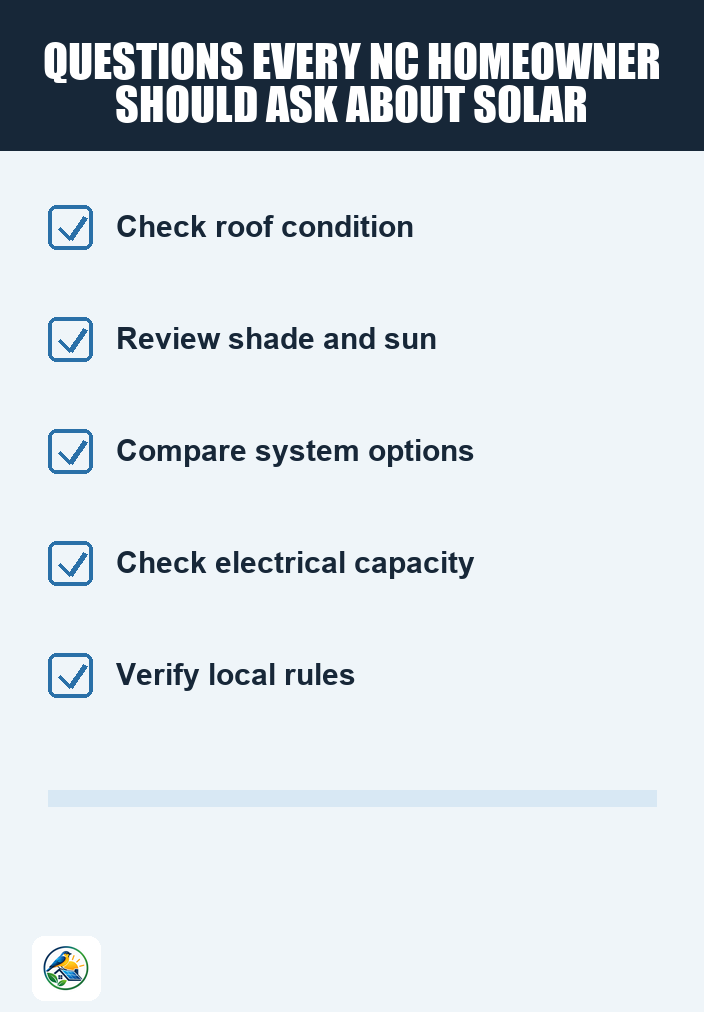
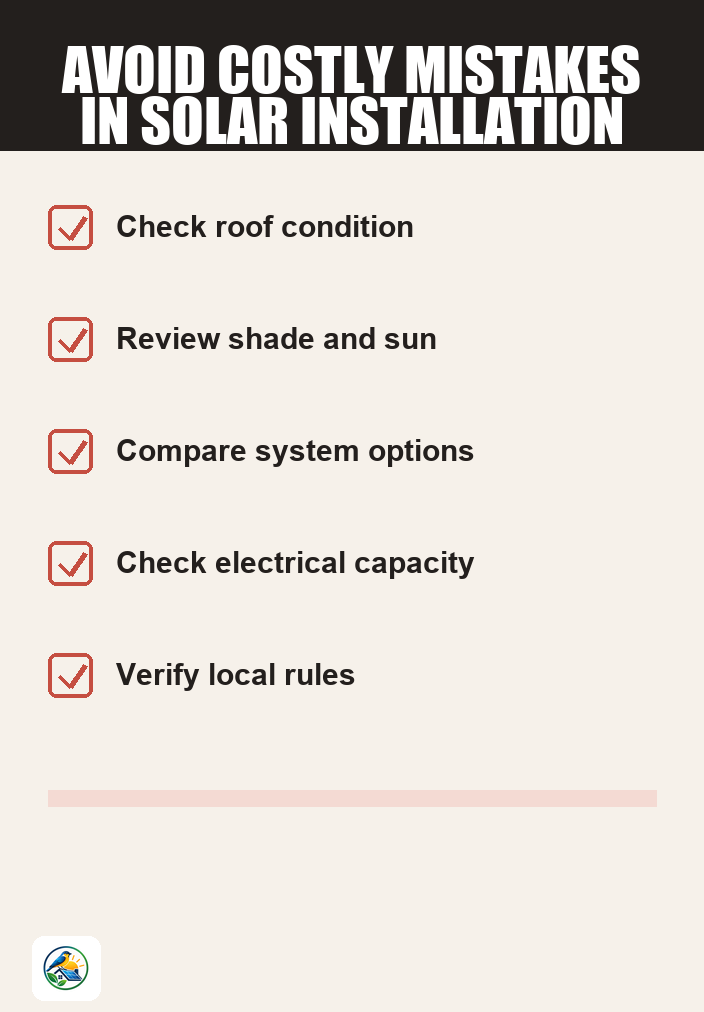
Before diving into quotes, it’s vital to assess whether your home is suitable for solar installation. Here are key factors to consider:
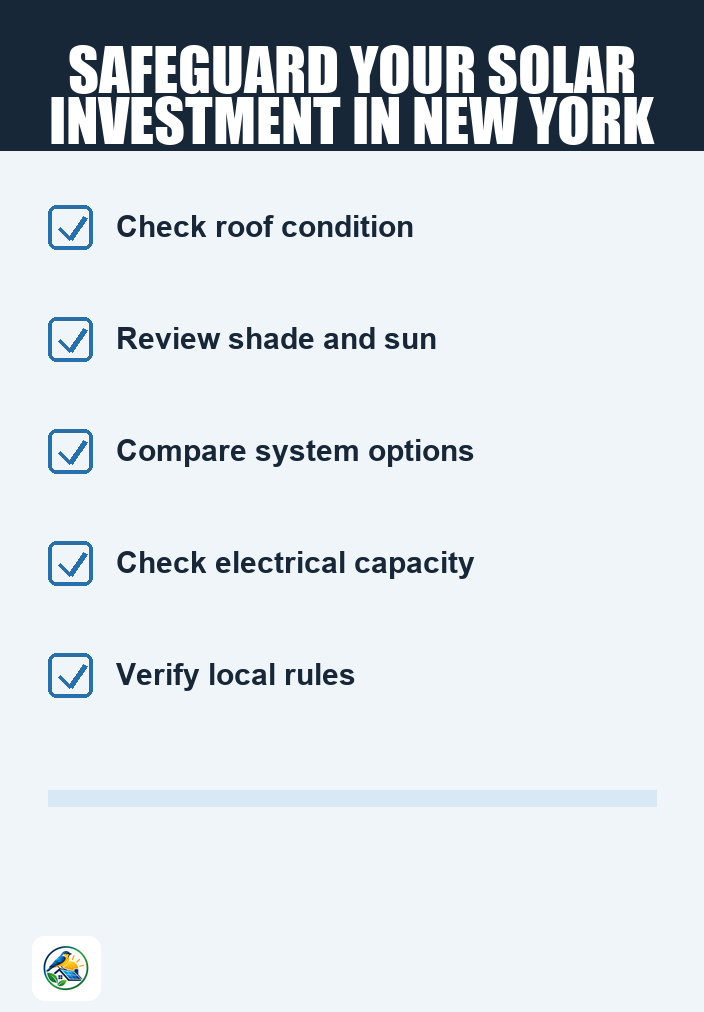
- Roof Condition: Ensure that your roof is in good condition and capable of supporting solar panels. If your roof needs repairs or replacement, address these issues first.
- Roof Orientation and Shade: Ideally, solar panels should face south to maximize sunlight exposure. Analyze your roof’s orientation and any potential shading from trees or nearby structures.
- Electrical Upgrades: Depending on your current electrical system, you may need upgrades to handle the additional load from solar panels. Consult with an electrician to evaluate your needs.
Understanding System Types: Grid-Tied, Battery Backup, and Off-Grid
When considering solar options, you’ll encounter various system types. Understanding the differences can help you choose the best fit for your needs:
- Grid-Tied Systems: These systems are connected to the local utility grid, allowing you to draw power when your solar panels aren’t producing enough energy. They are typically more affordable but don’t provide backup power during outages.
- Battery Backup Systems: These systems store excess energy produced during the day for use at night or during outages. While they can add to the overall cost, they offer greater energy independence and reliability.
- Off-Grid Systems: Designed for complete independence from the utility grid, off-grid systems require a robust battery storage solution and may need to be larger to meet all energy demands. They are best suited for remote locations.
Comparing Quotes: What to Look For
Once you’ve assessed your home and understood the types of solar systems available, it’s time to gather quotes from multiple installers. Here’s what to keep in mind when comparing them:
- Itemized Costs: Ensure each quote provides a detailed breakdown of costs, including equipment, installation, permits, and any additional fees.
- Warranties: Look for warranties on both equipment and installation services. A reputable installer should stand behind their work and the products they use.
- Financing Options: Compare financing options, including any upfront costs, loan terms, and interest rates. Transparency is key here.
- Timeline for Installation: Understand the estimated timeline for installation and any factors that could cause delays, such as permitting or weather conditions.
Understanding Local Incentives and Regulations
Florida offers various incentives for solar installation, but these can change. Before proceeding, verify the current incentives available in your area, including any state or federal tax credits. Additionally, be aware of local regulations regarding solar installation, such as permitting requirements and interconnection processes with utility companies.
It’s advisable to consult with your local utility company to understand their policies, especially regarding net metering, which allows homeowners to sell excess energy back to the grid.
Evaluating the Long-Term Commitment
Installing solar panels is a long-term commitment that requires careful consideration. Here are some factors to keep in mind:
- Maintenance: While solar panels are generally low-maintenance, they do require occasional cleaning and inspections. Factor in the potential costs for maintenance over the system’s lifespan.
- Weather Considerations: Florida’s weather can be unpredictable, with storms and hurricanes posing risks to solar installations. Ensure your installer uses durable equipment designed to withstand local conditions.
- Future Plans: Consider your long-term plans for your home. If you plan to move in the near future, evaluate how solar installation might affect your home’s resale value and the transfer of any warranties or financing agreements.
Next Steps: Making Informed Decisions
As you consider solar installation in Florida, take your time to explore your options thoroughly. Gather multiple itemized quotes from qualified installers, compare them carefully, and don’t hesitate to ask questions. Understanding your home’s suitability for solar, the different system types, and the long-term implications will empower you to make a knowledgeable decision.
Remember, while solar energy can be a great solution for many homeowners, it’s not a one-size-fits-all approach. Your unique circumstances, preferences, and financial situation will ultimately dictate whether solar is the right choice for you.