Understanding Your Solar Financing Options in North Carolina
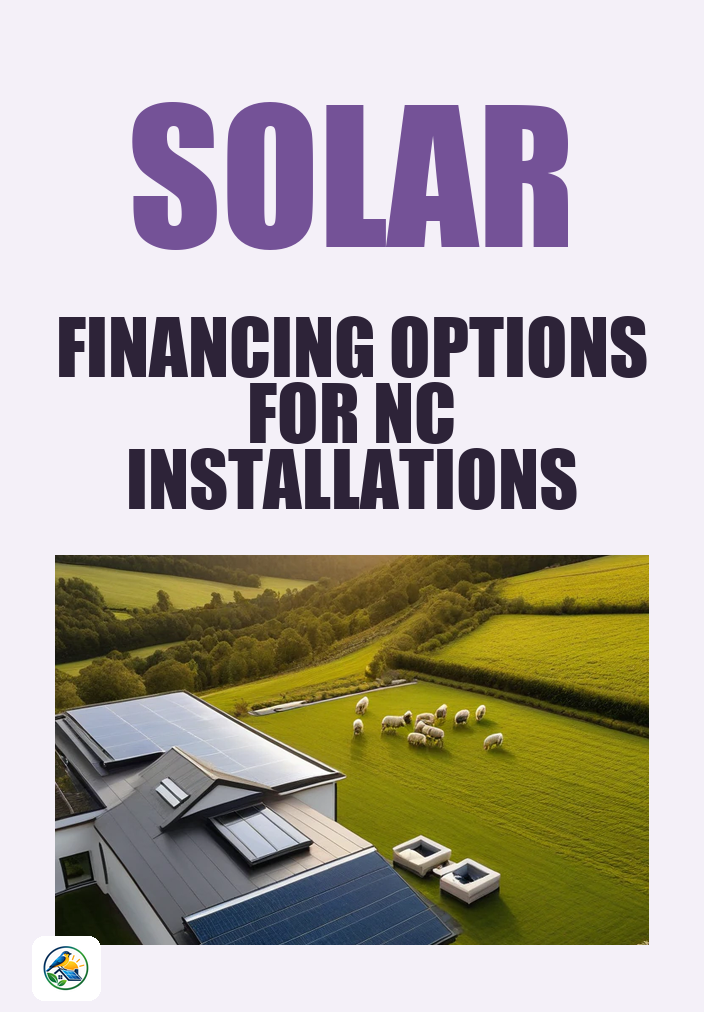
If you’re considering a solar installation for your home in North Carolina, one of the most important decisions you’ll face is how to finance your system. With various options available, it’s essential to understand the trade-offs, costs, and potential benefits associated with each financing method. This guide will walk you through the primary financing options, helping you make an informed choice that aligns with your financial situation and energy goals.
Types of Solar Financing Options
Homeowners in North Carolina typically have several financing options to choose from when going solar. Here’s a breakdown of the most common methods:
- Cash Purchase: Paying for your solar system outright allows you to own it completely from day one. This option often provides the best long-term return, as there are no monthly payments or interest to consider.
- Solar Loans: These loans allow you to finance the purchase of your solar system over a set period. Monthly payments are usually lower than your potential savings on your electricity bill, making it a popular choice.
- Leases: With a solar lease, you pay a fixed monthly amount to use the solar system installed on your property, but you do not own it. This option often requires little to no upfront cost but typically does not provide the same financial benefits as ownership.
- Power Purchase Agreements (PPAs): Similar to leases, PPAs allow you to buy the power generated by the solar system at a set rate. This can be advantageous if you prefer not to pay for equipment outright, but it may limit your financial benefits compared to owning the system.
Evaluating Your Financing Choices
Choosing the right financing option depends on multiple factors, including your budget, long-term energy goals, and personal preferences. Here are some considerations to keep in mind:
1. Upfront Costs vs. Long-Term Savings
One of the first things to consider is how much you’re willing to invest upfront. A cash purchase provides immediate ownership and the potential for savings over time, but it requires a significant initial investment. On the other hand, loans, leases, and PPAs may reduce upfront costs but can lead to higher overall spending in the long run due to interest or ongoing payments.
2. System Ownership and Incentives
Ownership of the solar system often comes with access to various incentives, including tax credits and rebates that may not be available with leases or PPAs. In North Carolina, homeowners may be eligible for state and federal incentives, but verification of current programs is crucial.
3. Property Considerations
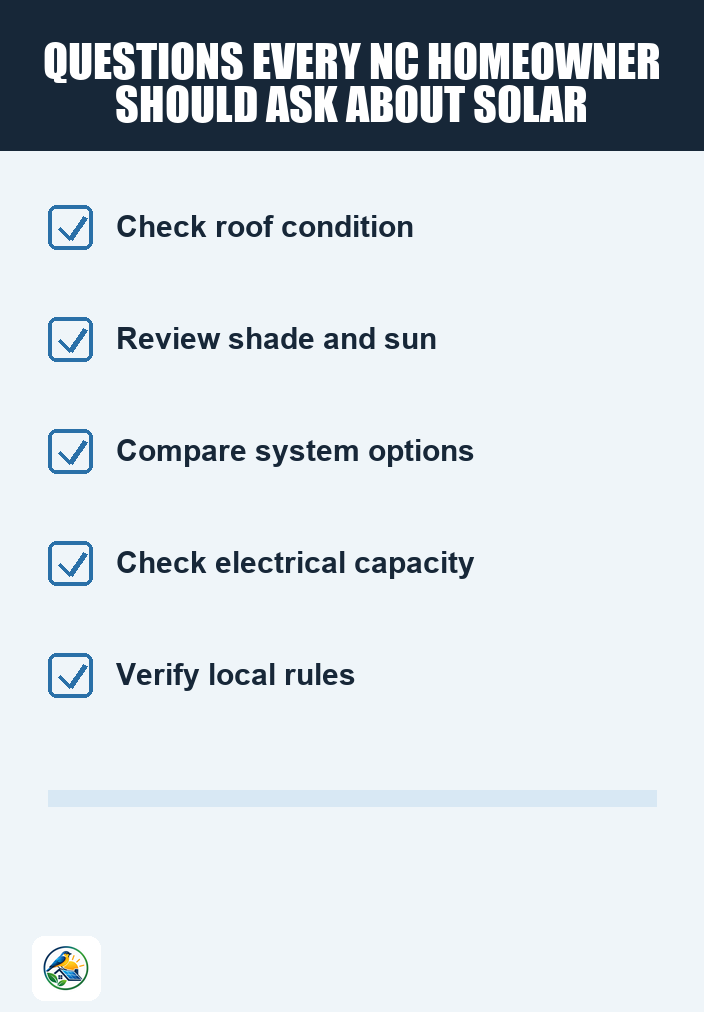
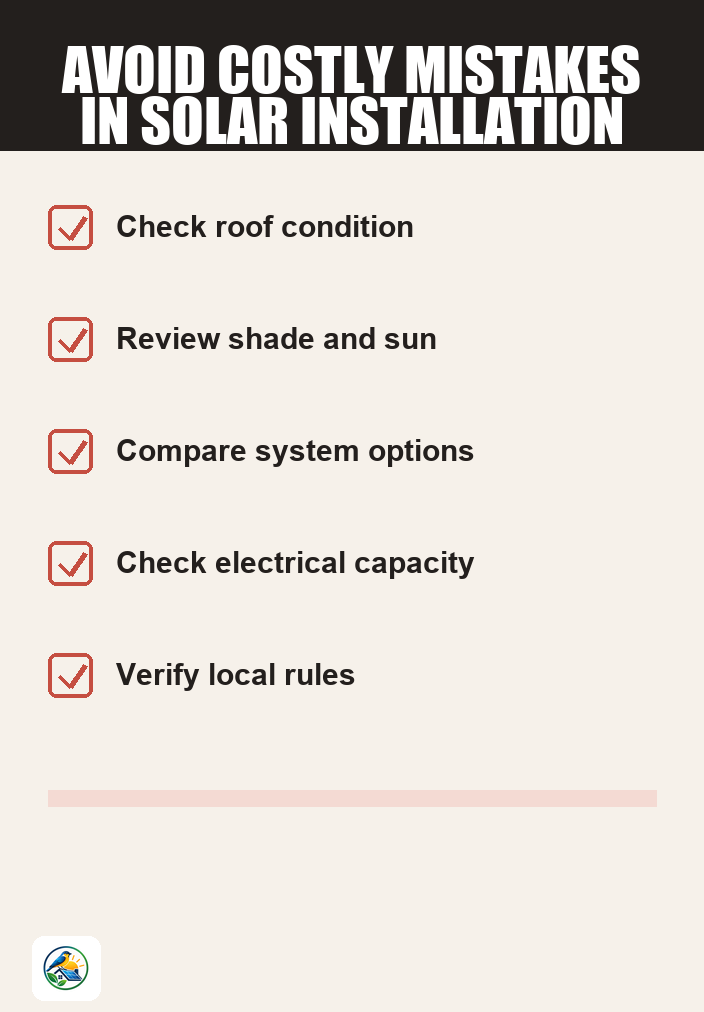
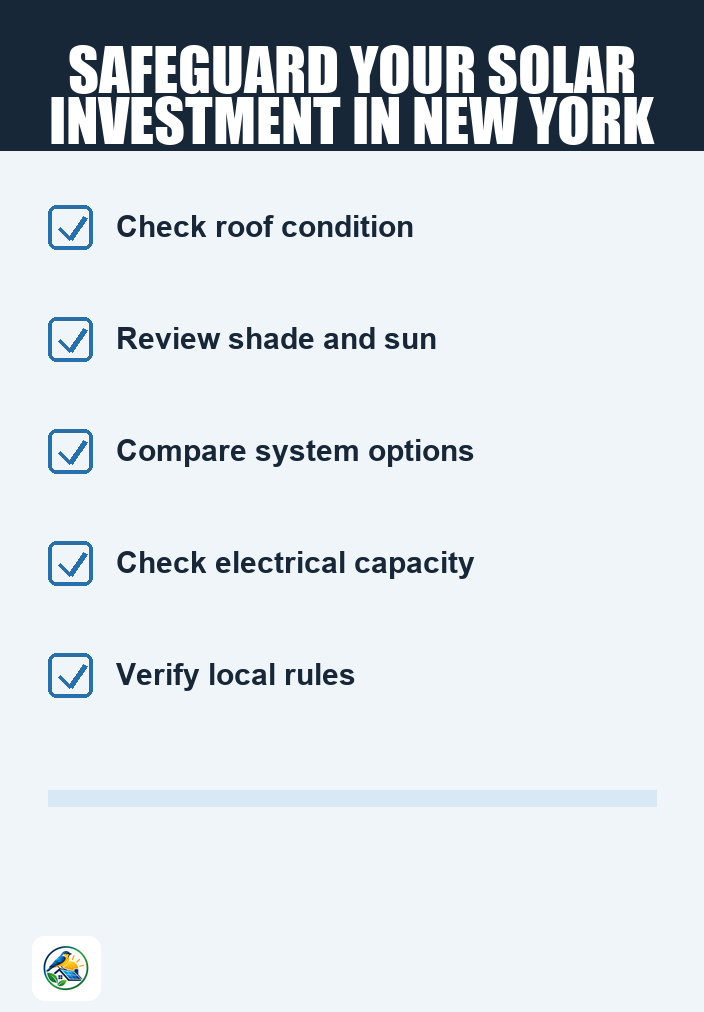
Before deciding on financing, evaluate your property’s suitability for solar. Factors such as roof condition, orientation, and shading can impact system performance. If your roof needs repairs or upgrades, these costs should be factored into your financing decision.
4. Long-Term Plans
Consider your future plans for the property. If you intend to move in the next few years, a lease or PPA might be more suitable, as they typically allow for easier transfer of agreements. Conversely, if you plan to stay long-term, investing in a purchase or loan could yield significant financial benefits.
Comparing Financing Options: A Practical Example
To illustrate how different financing options can affect your overall costs, consider the following hypothetical example for a 6 kW solar system:
- Cash Purchase: $18,000 (no monthly payments)
- Solar Loan: $18,000 financed at 5% for 10 years, resulting in monthly payments of approximately $191.
- Lease: $100/month for 20 years, totaling $24,000 (no ownership).
- PPA: $0 upfront, paying $0.08 per kWh for electricity generated, costs vary based on usage.
As you can see, while the cash purchase has the highest upfront cost, it leads to long-term savings. The solar loan creates monthly payments but still allows for ownership, while leases and PPAs offer lower upfront costs but may not provide the same financial benefits.
Key Considerations for Homeowners
When evaluating these financing options, consider the following key factors:
- Credit Score: Your credit score can impact your ability to secure favorable loan terms. Higher scores generally lead to better interest rates.
- Current Utility Rates: Understand your current electricity rates and how they may change over time. This knowledge can help you assess potential savings from solar.
- Maintenance and Performance: Keep in mind that ownership comes with responsibilities, including maintenance and potential performance issues.
- Permitting and Interconnection: Verify local requirements for permitting and interconnection to avoid surprises during installation.
- Battery Backup Considerations: If you’re considering a home battery, ensure your financing option accommodates this additional investment, as it can enhance your energy independence.
Next Steps: Getting Quotes from Qualified Installers
Once you have a clear understanding of the financing options available, the next step is to obtain itemized quotes from qualified solar installers in your area. This will provide you with a better understanding of installation costs, available incentives, and any financing options they may offer. Comparing multiple quotes will help you make an informed decision that fits your financial and energy needs.
Remember, solar energy is not a one-size-fits-all solution; factors like your home’s location, roof configuration, and personal financial situation will dictate the best approach for you. Take your time to explore your options, ask questions, and seek professional advice to ensure that your solar investment aligns with your long-term goals.