Understanding Solar Installation for North Carolina Homeowners
If you’re a homeowner in North Carolina considering solar installation, you’re likely looking for ways to enhance your energy independence and potentially lower your electricity costs. However, before diving into the world of solar energy, it’s essential to understand the various factors that can influence your decision. This article aims to provide a comprehensive overview of what North Carolina homeowners should know before installing a solar system, including options, considerations, and practical steps to take.
Solar Energy Options: Grid-Tied vs. Off-Grid Systems
When it comes to solar energy systems, two primary options exist: grid-tied systems and off-grid systems. Understanding the differences between them can help you choose the right setup for your home.
Grid-Tied Solar Systems
- Connection to the Utility Grid: Most residential systems in North Carolina are grid-tied, meaning they are connected to your local utility grid. This allows you to draw power from the grid when your solar system isn’t producing enough energy, such as during cloudy days or at night.
- Net Metering: North Carolina offers net metering, which means you can receive credit for the excess energy your system produces and sends back to the grid. This can help offset your electricity costs, but it’s essential to verify the specific policies with your local utility.
Off-Grid Solar Systems
- Self-Sufficiency: Off-grid systems are not connected to the utility grid and require battery storage to provide power when solar generation is low. This setup is ideal for remote areas but can be more complex and costly.
- Independence from Utility Rates: While off-grid systems provide independence from utility rates, they also require careful planning to ensure adequate energy production and storage.
Solar Battery Storage: Pros and Cons
Many homeowners consider adding battery storage to their solar systems. While this can enhance energy independence, it’s crucial to weigh the benefits and drawbacks.
Advantages of Battery Storage
- Energy Independence: Batteries allow you to store excess energy generated during the day for use at night or during power outages.
- Grid Protection: Battery systems can provide backup power during grid outages, ensuring your home remains powered.
Disadvantages of Battery Storage
- Higher Initial Costs: Adding a battery system can significantly increase the upfront costs of your solar installation.
- Limited Lifespan and Capacity: Batteries have a limited lifespan and may require replacement after several years, depending on usage and type.
Evaluating Your Home for Solar Installation
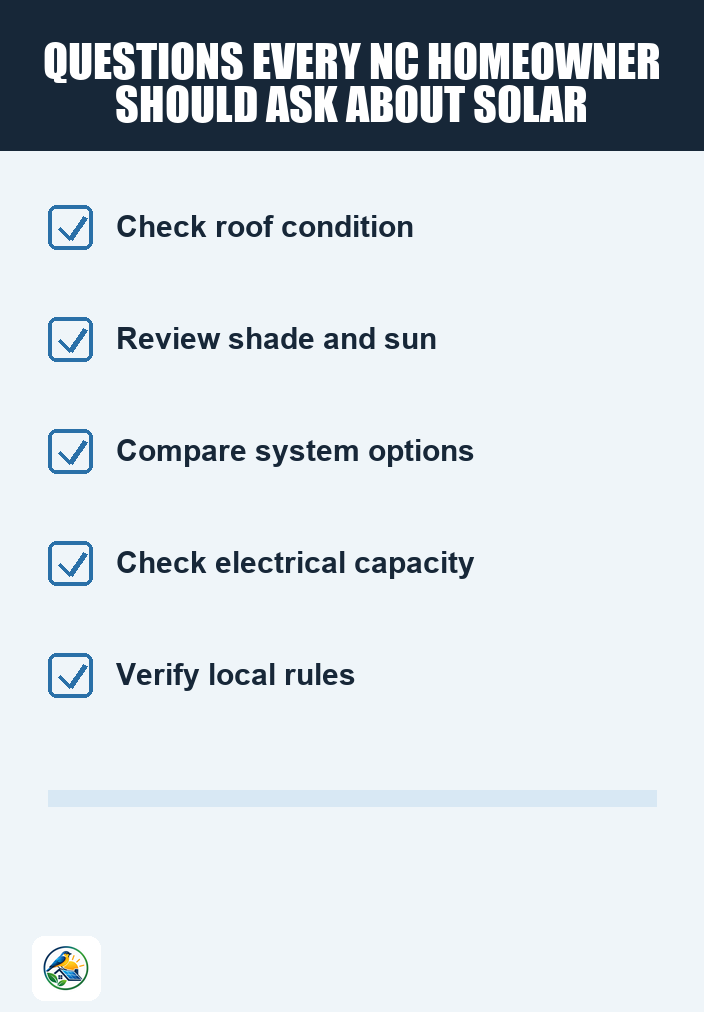
Before committing to a solar installation, assessing your home’s suitability is crucial. Several factors can impact the effectiveness and efficiency of a solar system.
Roof Condition and Orientation
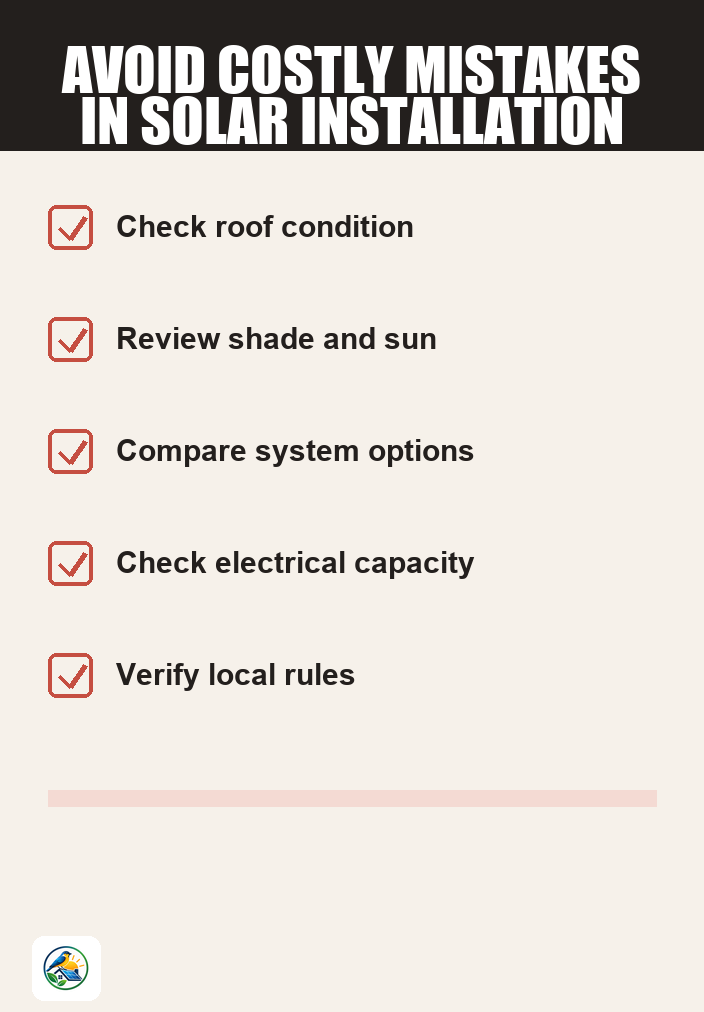
- Roof Age and Condition: Ensure your roof is in good condition and can support solar panels. If your roof needs repairs or replacement, it’s advisable to address those issues before installation.
- Orientation and Tilt: South-facing roofs typically receive the most sunlight, but east and west orientations can also work effectively. The tilt of your roof can also affect energy production.
Shade and Obstructions
Shade from trees, buildings, or other structures can significantly impact the performance of your solar panels. Conduct a shade assessment to determine if any obstructions may affect your system’s energy production.
Permitting and Utility Regulations
Before installing a solar system, you’ll need to navigate local permitting and utility regulations. This process can vary significantly depending on your location.
- Permitting: Check with your local government for specific permitting requirements for solar installations. This may include zoning permits and inspections.
- Utility Interconnection: Work with your utility company to understand the interconnection process, which allows your solar system to connect to the grid. Each utility has its own requirements and procedures.
Financial Considerations: Quotes and Incentives
Understanding the financial aspects of solar installation is vital. While many homeowners look for potential savings, it’s essential to approach this with realistic expectations.
Comparing Quotes
Getting multiple quotes from qualified solar installers allows you to compare costs, equipment, and services. Look for itemized quotes to understand what you’re paying for, including:
- Solar panels and inverters
- Installation labor
- Permitting and inspection fees
- Battery storage options (if applicable)
Incentives and Tax Credits
Incentives for solar installation can vary. Be sure to verify current federal and state tax credits, rebates, and incentives that may apply. Consult a tax professional or your installer for the most accurate information.
Maintenance and Long-Term Considerations
Solar systems require minimal maintenance, but regular inspections can help ensure optimal performance. Consider the following:
- Cleaning: Dust, debris, and snow can reduce efficiency. Regularly clean your panels or hire a professional service if necessary.
- Monitoring: Many systems come with monitoring software to track performance. Keep an eye on energy production and address any issues promptly.
Next Steps for North Carolina Homeowners
Installing a solar system can be a rewarding investment for many homeowners, but it requires careful planning and consideration. Begin by assessing your home’s suitability for solar, gathering multiple quotes from qualified installers, and verifying current incentives in your area. Take your time to understand your options and make an informed decision that aligns with your goals and circumstances.