Understanding the Importance of Permits for Solar Installation in New York
Installing solar panels on your home can be an exciting step towards energy independence and sustainability. However, before you can enjoy the benefits of generating your own electricity, there are several crucial steps to navigate, particularly regarding permits. In New York, the permitting process is essential for ensuring that your solar installation complies with local building codes and safety regulations. This guide outlines the essential permits you’ll need for a residential solar installation in New York, helping you understand the requirements and prepare for a successful project.
Types of Permits Required for Solar Installation
The specific permits needed for your solar installation will depend on various factors, including your locality, the size of your system, and whether you plan to add battery storage. Here are the most common permits you may encounter:
- Building Permit: This is generally required for any structural changes to your home, including the installation of solar panels. Local building departments assess whether the installation meets safety and zoning regulations.
- Electrical Permit: Since solar panels generate electricity, an electrical permit is usually necessary. This ensures that the system is installed safely and complies with the National Electrical Code (NEC).
- Interconnection Agreement: If you plan to connect your solar system to the grid, you’ll need to submit an interconnection application to your utility provider. This agreement outlines how your system will connect to the grid and any additional requirements.
- Zoning Permit: Depending on your municipality, a zoning permit may be required to ensure that your solar installation complies with local zoning laws.
- Solar Access Permit: Some areas have regulations that protect a homeowner’s right to capture solar energy. If applicable, this permit ensures that your solar panels won’t be obstructed by future construction or landscaping.
Where to Obtain Permits
Permits are typically obtained from your local municipality or city government. Many towns and cities in New York have streamlined the permitting process for solar installations to encourage renewable energy adoption. Here’s how to navigate the process:
- Contact Local Authorities: Begin by reaching out to your local building department or planning office to understand the specific permits required in your area.
- Consult Your Installer: A qualified solar installer should be familiar with the local permitting process and can assist you in obtaining necessary permits.
- Submit Applications: Complete all required applications and submit them along with any necessary documentation, such as site plans or engineering drawings.
- Schedule Inspections: After submission, inspections may be required at various stages of the installation process. Ensure your installer schedules these in accordance with local regulations.
The Role of Professional Installers
Working with a professional solar installer can significantly ease the permitting process. Experienced installers are familiar with local regulations and can help ensure that all necessary permits are obtained correctly. Here are some advantages of hiring a professional:
- Expert Knowledge: Installers understand the nuances of local codes and can guide you through the permitting process more efficiently.
- Streamlined Process: A professional can manage permit applications and inspections, allowing you to focus on other aspects of your solar project.
- Compliance Assurance: Professionals are trained to ensure that the installation meets all safety and regulatory standards, reducing the likelihood of issues down the line.
Considerations for Homeowners
As you prepare for your solar installation, keep the following considerations in mind:
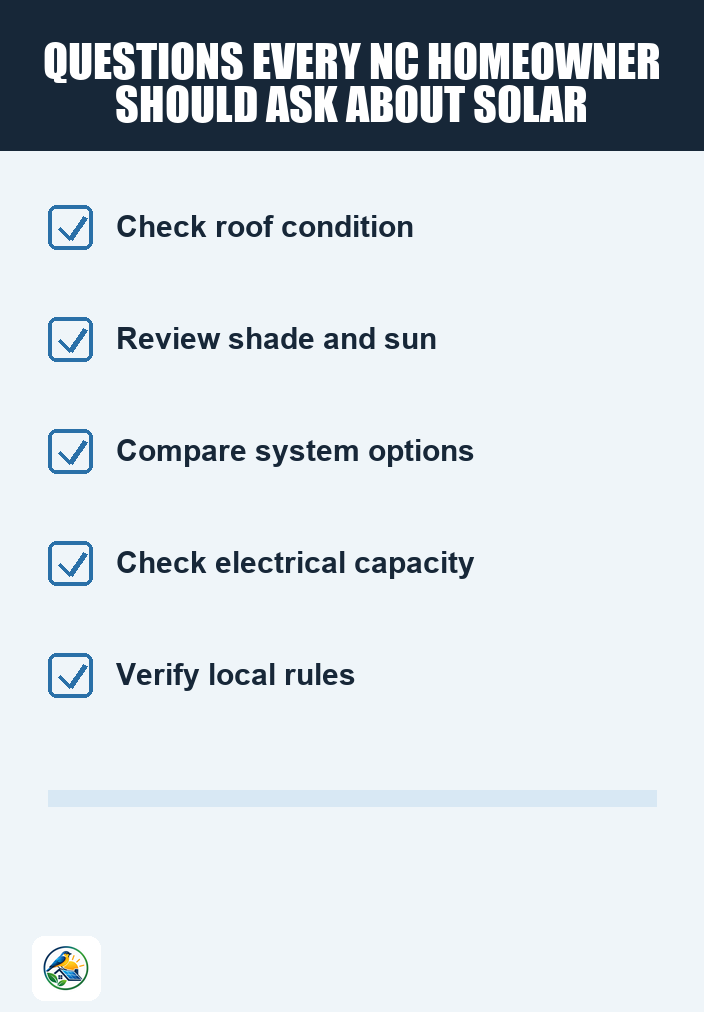
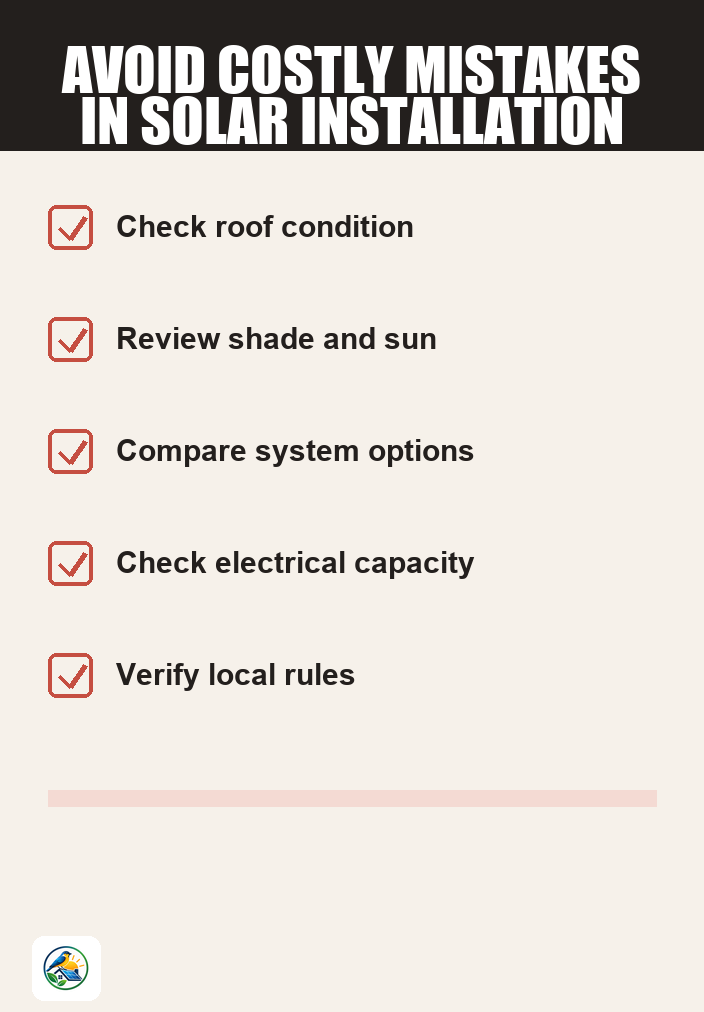
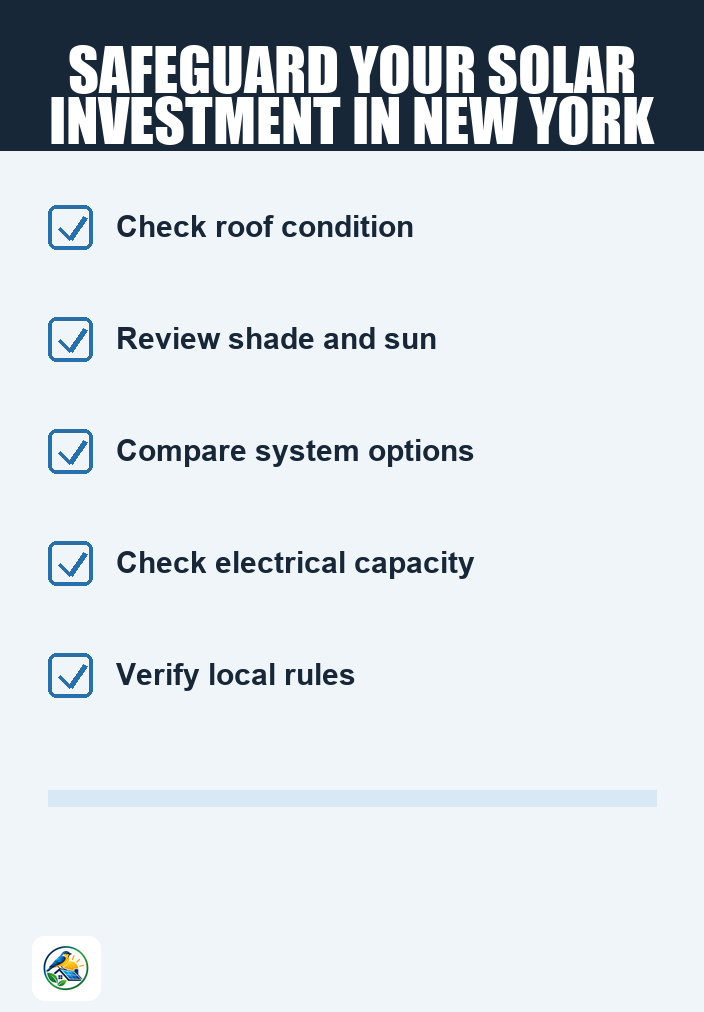
- Roof Condition: Ensure your roof is in good condition before installing solar panels. If repairs are needed, they should be completed prior to installation.
- Shade and Orientation: The effectiveness of solar panels is influenced by their orientation and any shading from trees or nearby structures. A professional assessment can help determine the best setup for your home.
- Electrical Upgrades: Depending on your current electrical system, upgrades may be necessary to accommodate the new solar installation.
- Future Plans: Consider your long-term plans for your home. If you plan to move or renovate, think about how this may affect your solar investment.
Common Drawbacks and Constraints
While solar energy can provide numerous benefits, it’s essential to be aware of potential drawbacks that may impact your decision:
- Cost of Installation: The initial investment can be substantial, and costs vary widely based on system size and local regulations.
- Maintenance Requirements: Solar panels require minimal maintenance, but periodic cleaning and inspections are recommended to ensure optimal performance.
- Weather Dependence: Solar energy production can be affected by weather conditions, such as heavy rain or snow.
- Battery Limitations: If considering a home battery, be aware of limitations regarding storage capacity and lifespan.
Next Steps for Homeowners
As you explore the possibility of installing solar panels on your home in New York, consider the following next steps:
- Research Local Installers: Look for qualified solar installers in your area. Check reviews and ask for recommendations.
- Obtain Quotes: Request itemized quotes from multiple installers. Comparing these will help you understand the full scope of costs and services offered.
- Verify Permitting Requirements: Ensure you understand the specific permits required for your project by consulting with local authorities or your installer.
- Discuss Financing Options: Explore different financing options, including loans, leases, or power purchase agreements, to determine what fits your financial situation best.
By understanding the permitting process and collaborating with a professional installer, you can make informed decisions about your solar installation. Take your time to gather information, weigh your options, and plan your next steps carefully to ensure a smooth transition to solar energy.