Understanding Arizona’s Unique Climate for Solar Installation
If you’re a homeowner in Arizona considering a solar installation, you’re likely aware of the state’s abundant sunshine. However, preparing your home for solar requires more than just a sunny disposition. Arizona’s unique climate presents specific challenges and opportunities that can impact your solar system’s efficiency and overall effectiveness. This article aims to guide you through the essential steps to prepare your home for a solar installation tailored to Arizona’s environment.
Assessing Your Roof and Property
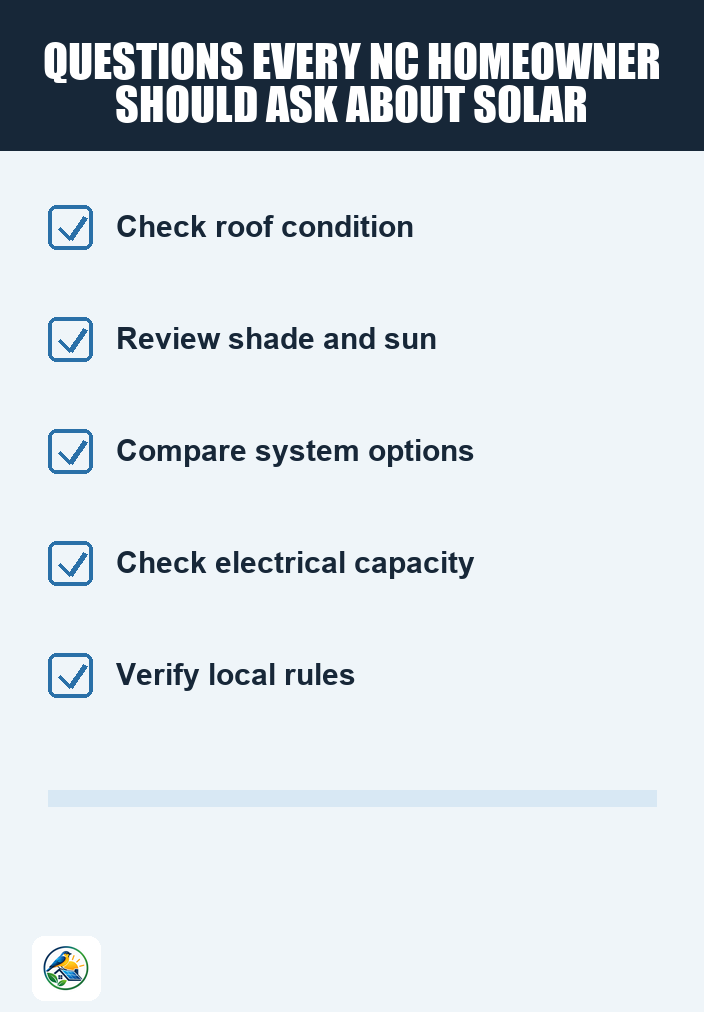
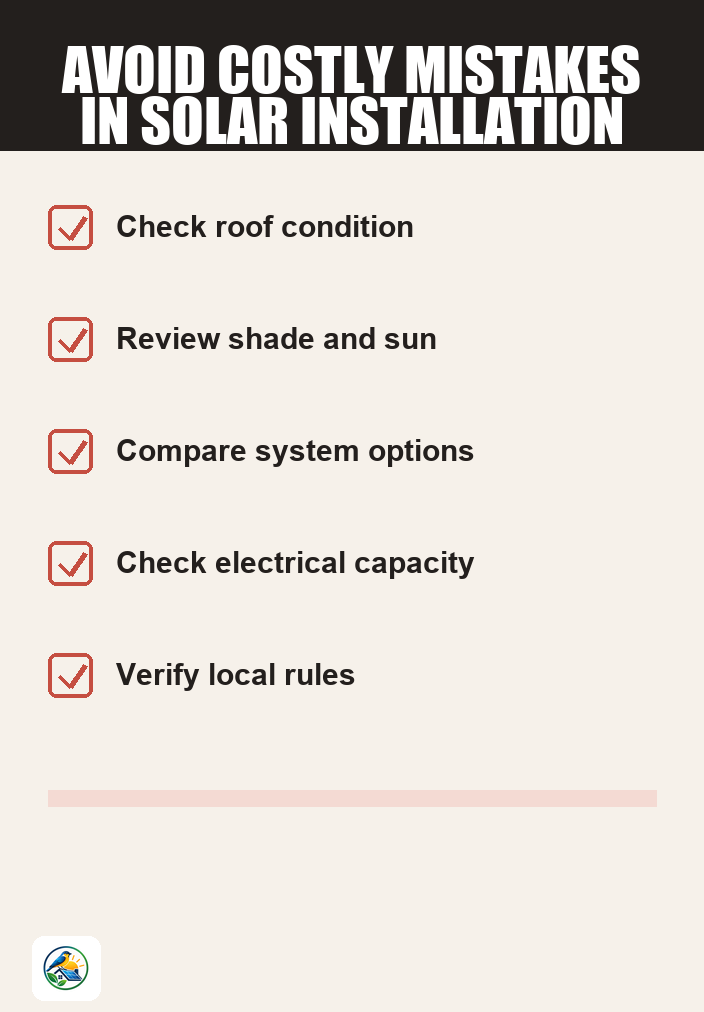
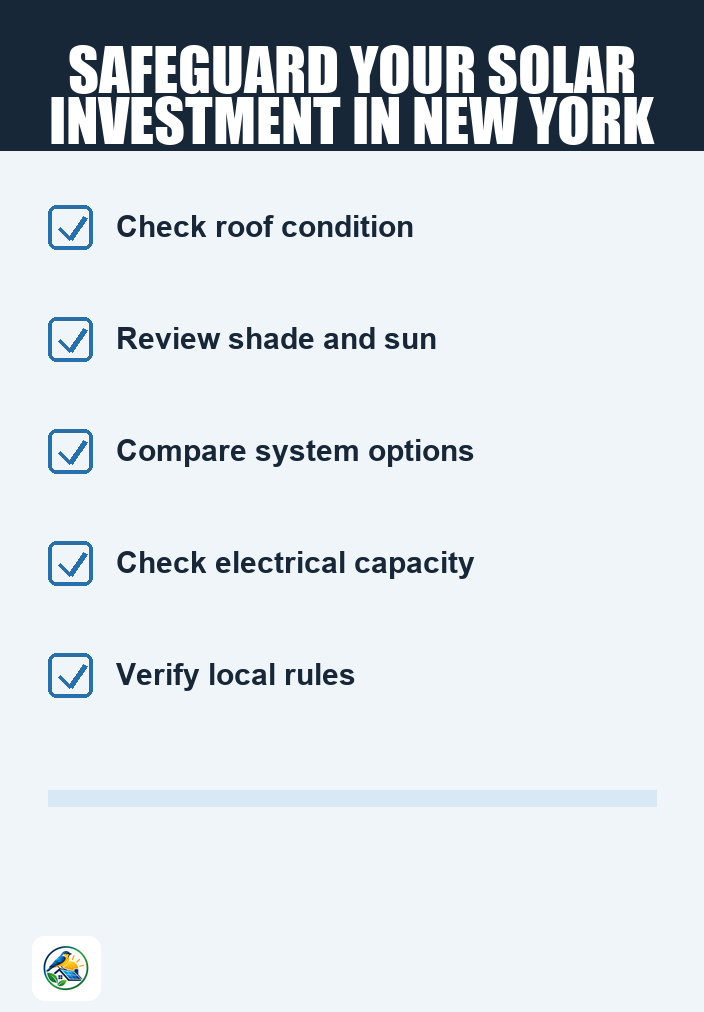
Before diving into the specifics of solar panel installation, it’s crucial to assess your roof and property to determine their compatibility with solar energy systems. Here are key factors to consider:
- Roof Condition: Ensure your roof is in good condition before installation. A roof that needs repairs or replacement may not support solar panels effectively.
- Roof Orientation: South-facing roofs typically receive the most sunlight in the Northern Hemisphere, making them ideal for solar panels. However, east- and west-facing roofs can still be viable options, especially if you have enough space for multiple panels.
- Shade Analysis: Check for trees, buildings, or other structures that may cast shadows on your roof during peak sunlight hours. Shade can significantly reduce solar panel efficiency.
- Space Availability: Evaluate how much space is available on your roof for solar panels. Each panel requires sufficient room, and you should also consider potential future expansions.
Understanding Arizona’s Weather Patterns
Arizona is known for its hot, dry climate, which can significantly affect solar panel performance. Understanding these weather patterns will help you make informed decisions:
- High Temperatures: While solar panels are designed to withstand high temperatures, excessive heat can reduce their efficiency. Selecting high-efficiency panels may mitigate this issue.
- Dust Accumulation: Arizona’s arid climate leads to dust and dirt accumulation on solar panels. Regular cleaning may be necessary to maintain optimal performance. Consider the installation of panels with anti-soiling coatings.
- Monsoons and Hail: During the monsoon season, heavy rains and strong winds can occur. Ensure that your installation complies with local weather standards to withstand these conditions.
Evaluating Your Energy Needs
Before installing solar panels, it’s essential to assess your household’s energy consumption. Understanding your energy needs will help you determine the size of the solar system required:
- Review Utility Bills: Look at your electricity bills over the past year to identify your average monthly energy consumption. This will provide a baseline for sizing your solar system.
- Consider Future Needs: If you plan to add electric vehicles, appliances, or expand your home, factor these future needs into your calculations.
- Peak Usage Times: Identify when your household consumes the most electricity. This information can help in designing your solar system and deciding whether to include a battery backup.
Choosing Between Grid-Tied and Off-Grid Systems
In Arizona, homeowners typically opt for grid-tied systems, which are connected to the local utility grid. However, understanding the differences between grid-tied and off-grid systems is critical:
- Grid-Tied Systems: These systems allow homeowners to sell excess electricity back to the grid through net metering. They’re generally more cost-effective and easier to install, as they don’t require battery storage.
- Off-Grid Systems: Ideal for remote areas or those wanting complete energy independence. Off-grid systems require battery storage to supply power when the sun isn’t shining, increasing the initial investment and maintenance requirements.
Permitting and Local Regulations
Before installation, familiarize yourself with local permitting requirements and regulations. Each municipality in Arizona may have different rules surrounding solar installations:
- Building Permits: Most areas require a permit before installation. This process can vary in length and complexity.
- HOA Guidelines: If you live in a community governed by a homeowners association (HOA), check their guidelines regarding solar panel installations, as they may have specific restrictions.
- Utility Company Requirements: Speak with your local utility company about their interconnection policies, which dictate how you can connect your solar system to the grid.
Financial Considerations and Incentives
Financial implications are a significant aspect of preparing for solar installation. While costs can vary widely, potential incentives and financing options can help:
- Tax Credits and Incentives: Research available federal and state tax credits or rebates for solar installations. Keep in mind that these can fluctuate and require verification.
- Financing Options: Explore different financing options, such as solar loans or leases. Compare interest rates and terms to find the best fit for your financial situation.
- Comparing Quotes: Obtain itemized quotes from multiple qualified installers. A detailed comparison can reveal hidden costs and help you make an informed decision.
Next Steps for Your Solar Journey
Preparing your home for solar installation in Arizona involves careful consideration of various factors, including your roof condition, energy needs, and local regulations. To move forward:
- Conduct a thorough assessment of your roof and property.
- Evaluate your energy consumption and future needs.
- Understand the differences between grid-tied and off-grid systems.
- Research local permitting processes and regulations.
- Explore financial incentives and obtain itemized quotes from qualified solar installers.
Taking these steps will help ensure that your solar installation is successful and tailored to Arizona’s unique climate, ultimately making the most of your investment.