Understanding the Best Time for Solar Installation in New York
When considering a residential solar installation in New York, timing is critical. The decision to go solar involves various factors that can significantly impact the overall experience and benefits. Key considerations include seasonal weather patterns, incentives, and the readiness of your home for solar technology. Understanding these elements can help you determine when is the best time to install solar panels.
Seasonal Considerations
New York experiences four distinct seasons, each influencing solar energy production and installation processes. Here’s how each season plays a role:
- Spring: This season is often ideal for installations. Weather is generally mild, increasing the likelihood of uninterrupted workdays for installers. Additionally, homeowners can benefit from the increased sunlight as days become longer.
- Summer: While summer provides optimal sunlight for solar energy production, installation can be more challenging due to high temperatures and potential storms. However, homeowners may want to take advantage of longer days and higher energy needs during this season.
- Fall: Similar to spring, fall offers moderate weather suitable for installations. This season is also advantageous for homeowners looking to have their systems up and running before the winter months, when energy needs may increase.
- Winter: Although solar panels can still generate energy in winter, installation can be more complex due to snow and ice. However, many installers work during this season, and it may be a good time to plan for a spring installation.
Choosing the Right Provider for Solar Installation
Selecting the right installer is as crucial as deciding the right time. Here are some factors to consider when evaluating potential solar providers:
Experience and Reputation
Research the experience of installers in your area. Look for companies with a solid reputation, positive customer reviews, and a proven track record in solar installations, particularly in New York. Consider asking for references or case studies from past installations similar to your home.
Licensing and Certification
Ensure that the installers you’re considering are properly licensed and insured. Certification from recognized industry organizations can also indicate a commitment to quality and best practices.
Comprehensive Quotes
Request itemized quotes from multiple installers. A comprehensive quote should include details on:
- Equipment costs (panels, inverters, batteries, etc.)
- Installation fees
- Permitting and inspection costs
- Expected energy production estimates
- Financing options
Comparing these aspects can help you make a more informed decision that aligns with your budget and energy goals.
Local Incentives and Financing Options
New York offers various incentives for solar installations, including state tax credits and utility rebates. However, these incentives can change over time. It’s essential to verify current local incentives and financing options with your selected installer or local government resources.
Assessing Your Home’s Suitability for Solar
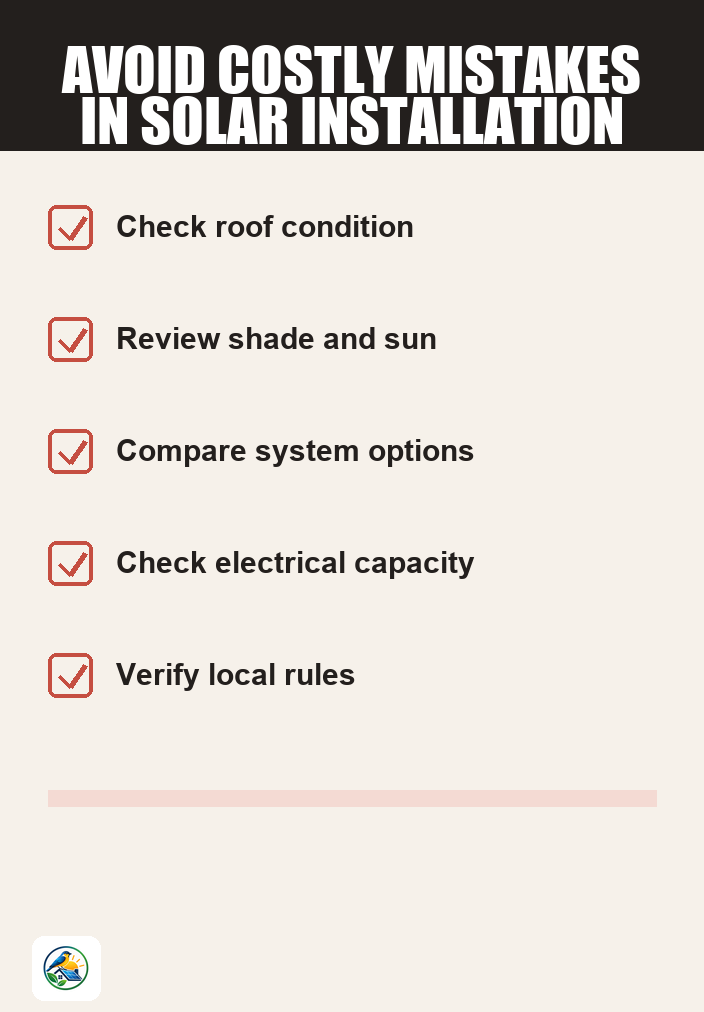
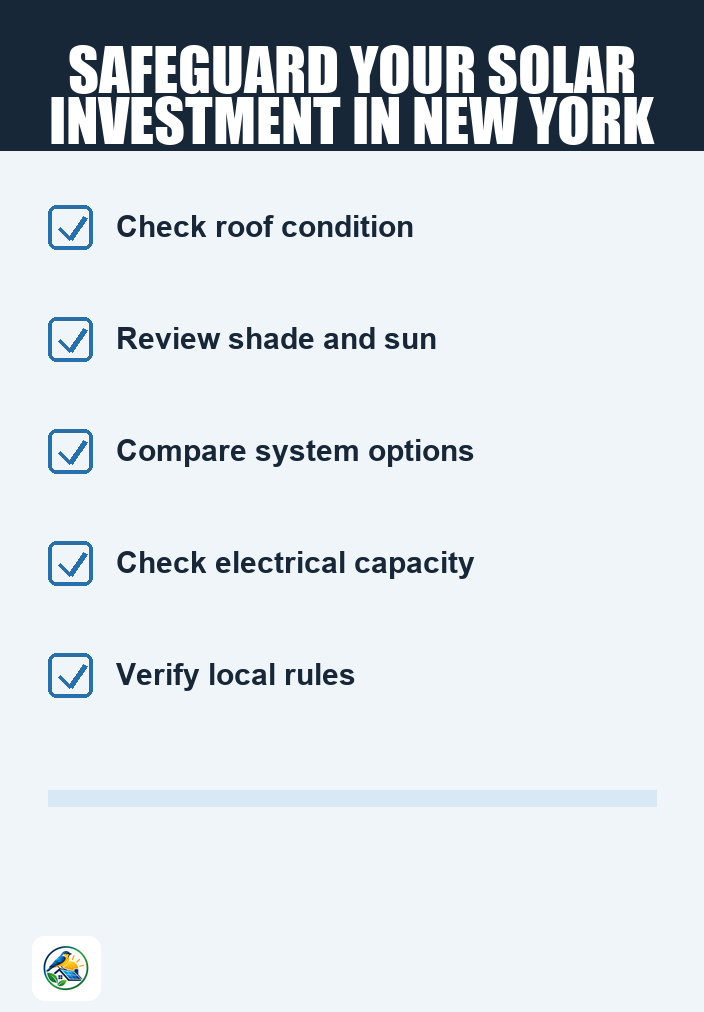
Not every home is ideal for solar installation. Before proceeding, evaluate the following factors:
Roof Condition and Orientation
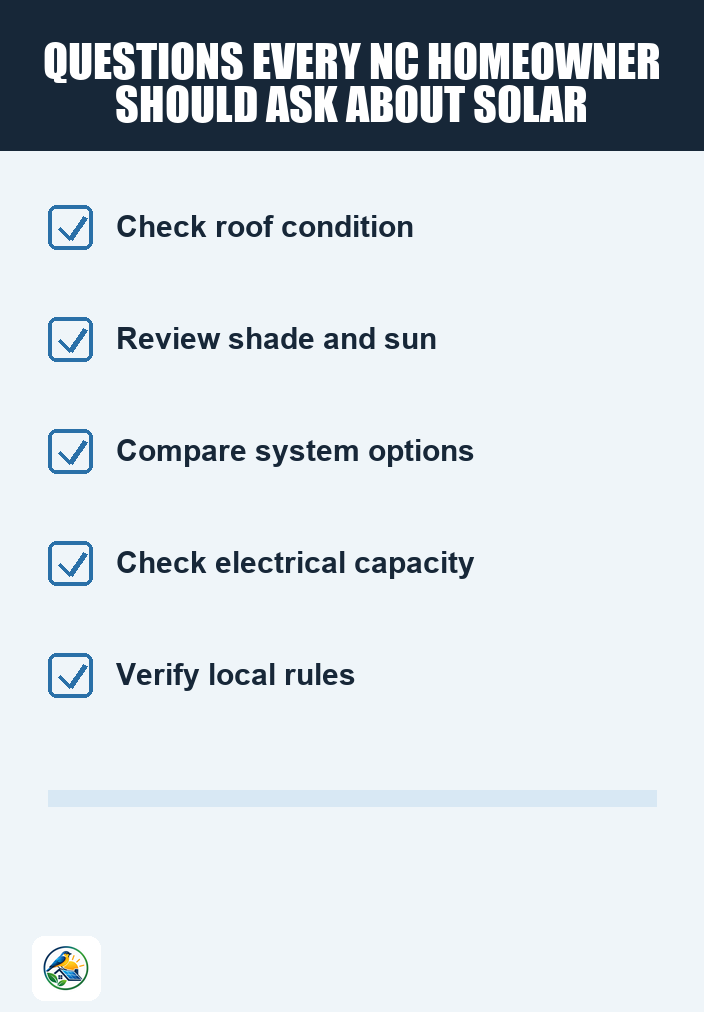
The condition of your roof is a critical factor. If your roof needs repairs or is nearing the end of its lifespan, it may be wise to address those issues before installation. Additionally, the orientation and angle of your roof can influence energy production. South-facing roofs typically receive the most sunlight, but east and west orientations can still be effective depending on your energy needs.
Shade and Obstructions
Examine any nearby trees, buildings, or structures that may cast shadows on your roof throughout the day. Even partial shading can significantly reduce energy production, so consider trimming trees or selecting a different location for installation if shading is an issue.
Electrical Upgrades
Before installation, assess your home’s electrical system. Older homes may require upgrades to accommodate solar technology, which can add to the overall cost. An installer can help determine if any modifications are necessary.
Exploring Battery Backup and Off-Grid Options
If you’re considering battery storage, understand the trade-offs involved. Battery systems can provide backup power during outages and help manage energy use during peak rates, but they come with additional costs and maintenance considerations. Off-grid systems are also an option, but they require a more substantial investment and careful planning regarding energy consumption and generation.
Next Steps for Homeowners
Deciding to install solar panels is a significant step for any homeowner. Here are practical next steps to help you move forward:
- Conduct a home assessment to determine your roof’s suitability for solar.
- Research potential solar providers and gather multiple quotes.
- Verify current incentives and financing options available in your area.
- Compare itemized quotes from qualified installers to make an informed decision.
With careful consideration of timing, provider selection, and your home’s suitability, you can make a decision that aligns with your energy needs and financial goals. Always consult local resources and professionals to ensure you have the most accurate and relevant information for your specific situation.